
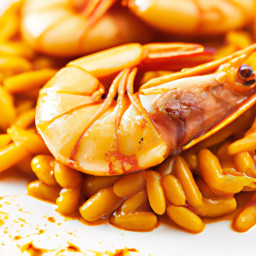
- 2 cups (400 g) dried chickpeas, soaked overnight and drained
- 1 small (about 6 oz) onion, coarsely chopped (170 g)
- 4 cloves garlic
- 1 cup (30 g) fresh parsley, packed
- 1 cup (30 g) fresh cilantro, packed
- 1 tsp (5 g) ground cumin
- 1 tsp (2 g) ground coriander
- 1/2 tsp (2 g) cayenne pepper or to taste
- 1 tsp (5 g) salt
- 1/2 tsp (2 g) baking powder
- 3 tbsp (24 g) all-purpose flour or chickpea flour (besan)
- Vegetable oil for deep-frying
- 1/2 cup (120 ml) tahini
- 3 tbsp (45 ml) lemon juice
- 1 clove garlic, minced
- 1/4 tsp (1 g) salt for sauce, or to taste
- 3-4 tbsp (45-60 ml) water to thin tahini sauce as needed
- 4 pita breads or flatbreads for serving
- 2 cups (150 g) chopped salad (tomato, cucumber, red onion, parsley)
1. Drain soaked chickpeas and pulse in a food processor in batches with onion, garlic, parsley, cilantro, cumin, coriander, cayenne, and salt until a coarse, slightly sticky mixture forms—do not over-process into a paste.
2. Transfer to a bowl, stir in baking powder and flour; refrigerate 30 minutes to firm up. Shape into walnut-sized balls or patties.
3. Heat vegetable oil in a deep pot to 350°F (175°C) or until a small piece of mixture sizzles and browns; fry falafel in batches until deep golden, about 3–4 minutes, drain on paper towels.
4. Whisk tahini, lemon juice, minced garlic, salt, and water until smooth and pourable; adjust seasoning.
5. Serve falafel hot in pita with tahini sauce and chopped salad.
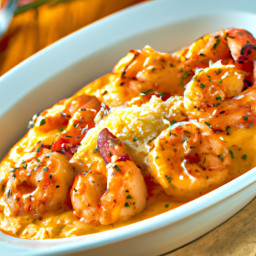
- 1 cup (200 g) red lentils, rinsed
- 2 cups (480 ml) water
- 1 cup (170 g) fine bulgur
- 2 tbsp (30 ml) olive oil
- 1 medium (about 6 oz) onion, finely diced (170 g)
- 2 tbsp (30 g) tomato paste
- 1 tbsp (15 g) red pepper paste or 1 tsp (5 g) red pepper flakes
- 1 tsp (5 g) ground cumin
- 1 tsp (5 g) salt, or to taste
- 1/2 tsp (2 g) black pepper
- 1/2 cup (15 g) fresh parsley, finely chopped
- 4 scallions, thinly sliced
- 2 tbsp (30 ml) lemon juice
- Romaine leaves or lettuce for serving
- Pomegranate molasses (optional) for drizzling
1. In a saucepan, combine red lentils and water; bring to a boil, then simmer until lentils are soft and most water is absorbed, about 15 minutes. Remove from heat and stir in fine bulgur; cover and let sit 15 minutes until bulgur has softened.
2. In a skillet, heat olive oil and sauté diced onion until translucent; add tomato paste and red pepper paste (or flakes) and cook 1–2 minutes to develop flavor. Stir into the lentil-bulgur mixture.
3. Add cumin, salt, pepper, parsley, scallions, and lemon juice; mix thoroughly and let cool until manageable.
4. Shape mixture into small oblong patties (about 1.5 inches / 4 cm). Arrange on a platter and serve chilled on romaine leaves with a drizzle of pomegranate molasses if using.
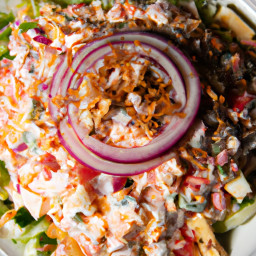
- 1 cup (200 g) chana dal (split chickpeas), rinsed and soaked 1 hour
- 2 cups (480 ml) water (for cooking dal)
- 1 small (about 6 oz) potato, boiled and mashed (170 g)
- 2 tbsp (16 g) besan (chickpea flour)
- 1 tsp (5 g) garam masala
- 1/2 tsp (2 g) ground cumin
- 1/2 tsp (2 g) turmeric
- 1 tsp (5 g) salt, or to taste
- 2 tbsp (30 ml) neutral oil for shallow frying
- 2 tbsp (30 ml) oil for gravy
- 1 medium (about 6 oz) onion, finely chopped (170 g)
- 3 cloves garlic, minced
- 1 tbsp (6 g) grated fresh ginger
- 2 medium (about 10 oz) tomatoes, pureed (300 g)
- 1 tsp (5 g) ground coriander
- 1/2 tsp (2 g) chili powder, or to taste
- 1 cup (240 ml) coconut milk
- 1/4 cup (15 g) fresh cilantro, chopped
1. Drain soaked chana dal and cook with 2 cups (480 ml) water until very soft and most water is absorbed, about 20–25 minutes; drain any excess and cool slightly.
2. Mash cooked dal with mashed potato, besan, garam masala, cumin, turmeric, and salt into a firm mixture; shape into golf-ball sized koftas. Chill 15 minutes to firm.
3. Heat 2 tbsp oil in a skillet over medium heat and shallow-fry koftas until golden on all sides, about 3–4 minutes per side; drain on paper towels. (To reduce oil, bake at 400°F / 200°C for 15–20 minutes, turning once.)
4. For the gravy, heat 2 tbsp oil in a pan, sauté onion until golden, add garlic and ginger and cook 1 minute, stir in tomato puree, coriander, and chili powder; simmer 8–10 minutes until thickened.
5. Stir coconut milk into the gravy, simmer 3 minutes, then gently add koftas and warm through without vigorous boiling so koftas hold shape, about 5 minutes.
6. Garnish with chopped cilantro and serve with steamed rice or vegan naan.
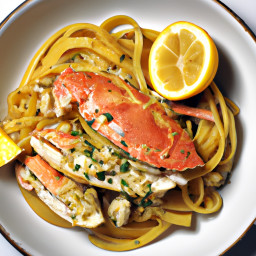
- 2 cups (60 g) fresh spinach leaves, packed
- 1 cup (150 g) frozen green peas, thawed
- 1 medium potato, boiled and mashed (about 6 oz / 170 g)
- 1 small onion, finely chopped (about 3 oz / 85 g)
- 2 green chilies, finely chopped
- 1/4 cup (15 g) fresh cilantro, chopped
- 1/4 cup (10 g) fresh mint leaves, chopped
- 2 tbsp (16 g) besan (chickpea flour)
- 1/2 cup (60 g) plain breadcrumbs
- 1 tsp (2 g) garam masala
- 1 tsp (2 g) ground cumin
- 1/2 tsp (1 g) chaat masala
- 1 tsp (5 g) salt, or to taste
- 1/4 tsp (0.5 g) freshly ground black pepper
- 1 tbsp (6 g) grated fresh ginger
- 1 tbsp (15 ml) lemon juice
- 3 tbsp (45 ml) neutral oil for shallow frying
- Lemon wedges for serving
1. Bring a pot of water to a boil and blanch the spinach 20–30 seconds until wilted; drain and plunge into ice water to stop cooking. Squeeze out excess water and finely chop the spinach. Cook peas in boiling water 2–3 minutes, drain, and roughly mash.
2. In a large bowl, combine the chopped spinach, mashed peas, mashed potato, finely chopped onion, green chilies, cilantro, mint, grated ginger, besan, breadcrumbs, garam masala, ground cumin, chaat masala, lemon juice, salt, and black pepper. Mix thoroughly until the mixture holds together; adjust salt and spices to taste.
3. Shape the mixture into 8–10 even patties or small flat rounds (about golf-ball to muffin-top size). If mixture feels too loose, add a tablespoon more breadcrumbs or besan. Chill the patties 10–15 minutes in the refrigerator to firm.
4. Heat oil in a nonstick skillet over medium heat. Add the patties in a single layer (work in batches as needed) and shallow-fry until golden brown and crisp, about 3–4 minutes per side. Reduce heat if browning too quickly so interiors heat through.
5. Transfer kebabs to paper towels to drain briefly. Serve warm with lemon wedges and your choice of chutney or yogurt dip.
- 1 cup (200 g) cooked chickpeas, drained and rinsed
- 8 oz (225 g) cremini mushrooms, finely chopped
- 1 cup (90 g) rolled oats
- 1/2 cup (60 g) walnuts, finely chopped
- 1/2 cup (120 ml) unsweetened plant milk
- 2 tbsp (14 g) ground flaxseed + 6 tbsp (90 ml) water (flax "egg")
- 1/2 cup (60 g) finely chopped yellow onion
- 2 cloves garlic, minced
- 2 tbsp (30 ml) soy sauce or tamari
- 2 tbsp (30 ml) tomato paste
- 1 tsp (5 g) smoked paprika
- 1 tsp (4 g) dried oregano
- 1/2 tsp (2.5 g) ground black pepper
- 1 tsp (6 g) kosher salt
- 2 tbsp (30 ml) olive oil, divided
- 12 oz (340 g) linguine
- 3 cups (540 g) heirloom tomatoes, diced
- 1/2 cup (10 g) fresh basil, thinly sliced
- 1/4 cup (60 ml) extra-virgin olive oil for sauce
- 1 tbsp (15 ml) red wine vinegar
- 1/4 tsp (0.5 g) crushed red pepper flakes (optional)
- Microgreens or baby arugula for garnish (optional)
1. Make flax "egg": mix ground flaxseed with water, set 5 minutes to thicken. Preheat oven to 375°F (190°C).
2. In a skillet, heat 1 tbsp (15 ml) olive oil over medium; sauté onion and garlic until translucent, add mushrooms and cook until moisture evaporates, about 6–8 minutes. Transfer to a food processor.
3. Add chickpeas, oats, walnuts, plant milk, flax mixture, soy sauce, tomato paste, smoked paprika, oregano, pepper, and salt to processor; pulse to coarse, moldable texture (do not over-process).
4. Form mixture into 16 evenly sized meatballs. Place on a parchment-lined baking sheet and brush with remaining 1 tbsp (15 ml) olive oil.
5. Bake meatballs 20–25 minutes, turning once, until golden and firm.
6. While meatballs bake, bring salted water to boil and cook linguine to package al dente. Reserve 1/2 cup (120 ml) pasta water, then drain.
7. Toss diced heirloom tomatoes with 1/4 cup (60 ml) olive oil, red wine vinegar, basil, red pepper flakes, and salt to taste to make the fresh sauce.
8. In a large bowl, combine linguine, tomato-basil sauce, and enough reserved pasta water to coat. Add baked meatballs on top and garnish with microgreens or baby arugula. Serve immediately.
- 1 1/2 cups (285 g) cooked black beans (or canned, drained and rinsed)
- 1 cup (200 g) cooked brown lentils
- 1 cup (90 g) finely chopped button mushrooms
- 1/2 cup (60 g) panko breadcrumbs
- 1/4 cup (25 g) nutritional yeast
- 2 tbsp (30 ml) soy sauce or tamari
- 1 tbsp (15 ml) maple syrup
- 1 tsp (5 g) ground cumin
- 1/2 tsp (2.5 g) ground coriander
- 1/2 tsp (2.5 g) smoked paprika
- 2 tbsp (30 ml) olive oil, divided
- 1 cup (170 g) tri-color quinoa, cooked
- 2 ears corn, kernels removed
- 1 large avocado, sliced
- 2 cups (60 g) baby spinach
- 1/4 cup (60 ml) chopped cilantro
- 1 lime, juiced
- For citrus‑tahini dressing: 1/3 cup (80 ml) tahini, 3 tbsp (45 ml) lemon juice, 2 tbsp (30 ml) water to thin, 1 tbsp (15 ml) maple syrup, salt to taste
1. Combine beans, lentils, mushrooms, panko, nutritional yeast, soy sauce, maple syrup, cumin, coriander, and smoked paprika in a food processor; pulse to coarse mixture that holds when pressed. Form into 12 meatballs.
2. Heat 1 tbsp (15 ml) olive oil in a nonstick skillet over medium and cook meatballs, turning, until browned all over (8–10 minutes). Alternatively, grill over medium heat until charred and heated through.
3. Toss corn kernels with remaining 1 tbsp (15 ml) olive oil and a pinch of salt; char in a hot skillet or on the grill until lightly blackened, 4–6 minutes.
4. Whisk tahini, lemon juice, water, maple syrup, and salt to make dressing; adjust thickness with water.
5. To assemble bowls, divide cooked quinoa among four bowls, top with baby spinach, charred corn, avocado slices, three meatballs per bowl, cilantro, and drizzle with citrus‑tahini dressing. Serve with lime wedges.

- 1 cup (100 g) walnuts, toasted and finely chopped
- 8 oz (225 g) cremini mushrooms, finely chopped
- 1 cup (90 g) cooked brown rice
- 1/2 cup (60 g) finely diced yellow onion
- 2 cloves garlic, minced
- 1/4 cup (60 ml) tomato paste
- 2 tbsp (30 ml) soy sauce or tamari
- 1/2 cup (60 g) breadcrumbs (use gluten-free if desired)
- 2 tbsp (30 ml) olive oil, divided
- 1 tsp (5 g) dried thyme
- 1 tsp (6 g) kosher salt
- 1/2 tsp (2.5 g) black pepper
- 1 1/2 lb (680 g) fingerling potatoes, halved
- 2 tbsp (30 ml) olive oil for potatoes
- 2 tsp (10 g) chopped fresh rosemary
- 1 bunch (about 10–12 oz / 300–340 g) kale, stems removed and chopped
- 1 lemon, zested and juiced
- 1 tbsp (15 ml) maple syrup (optional)
1. Preheat oven to 400°F (200°C). Toss halved fingerling potatoes with 2 tbsp (30 ml) olive oil, rosemary, 1/2 tsp (3 g) salt and roast on a sheet pan until golden and tender, about 30–35 minutes.
2. While potatoes roast, heat 1 tbsp (15 ml) olive oil in a skillet and sauté onion and garlic until soft, add mushrooms and cook until moisture evaporates. Cool slightly.
3. In a large bowl combine walnuts, cooked rice, mushroom mixture, tomato paste, soy sauce, breadcrumbs, thyme, remaining 1/2 tsp (3 g) salt and pepper. Mix until combined and form into 12 meatballs.
4. Heat remaining 1 tbsp (15 ml) olive oil in a skillet over medium; brown meatballs on all sides, then reduce heat, cover, and cook 8–10 minutes until heated through.
5. In same skillet, add kale and a splash of water; sauté until wilted, then add lemon juice, lemon zest, and maple syrup if using; season with salt and pepper.
6. Plate roasted fingerling potatoes, top with kale and arrange walnut‑mushroom meatballs alongside. Serve warm.

- 1 cup (200 g) cooked black beans, drained and rinsed
- 1 cup (90 g) cooked quinoa
- 1/2 cup (60 g) finely chopped onion
- 2 cloves garlic, minced
- 1/2 cup (60 g) finely chopped bell pepper
- 1/2 cup (60 g) panko breadcrumbs
- 2 tbsp (30 ml) taco seasoning or homemade blend
- 1 tbsp (15 ml) soy sauce or tamari
- 1 tbsp (15 ml) olive oil
- 12 small corn tortillas (6-inch / 15 cm)
- For citrus slaw: 3 cups (240 g) shredded green cabbage, 1/2 cup (120 ml) orange juice, 2 tbsp (30 ml) lime juice, 1 tbsp (15 ml) apple cider vinegar, 1 tbsp (15 ml) olive oil, salt to taste
- For avocado crema: 1 large avocado, 1/4 cup (60 ml) plant yogurt or silken tofu, 1 tbsp (15 ml) lime juice, pinch of salt, water to thin
- 1/4 cup (60 g) chopped fresh cilantro for garnish
1. In a food processor combine black beans, quinoa, onion, garlic, bell pepper, panko, taco seasoning, soy sauce, and olive oil; pulse to a textured mixture that binds. Form into 12 small meatballs or oblong patties.
2. Pan-fry meatballs in a nonstick skillet over medium until browned and heated through, about 8–10 minutes, turning as needed.
3. Make citrus slaw: whisk orange juice, lime juice, apple cider vinegar, olive oil, and salt; toss with shredded cabbage and let sit 10 minutes.
4. Make avocado crema: blend avocado, plant yogurt (or silken tofu), lime juice, and salt until smooth; thin with water to desired consistency.
5. Warm tortillas on a dry skillet or grill. Assemble tacos by placing slaw on tortilla, top with 2–3 vegan meatballs, drizzle avocado crema, and garnish with cilantro. Serve immediately.

- 8 oz (225 g) shishito peppers, stems trimmed
- 1 tbsp (15 ml) olive oil (or neutral oil)
- 1 lemon, zested and cut into wedges
- Flaky sea salt
- 1/4 tsp (0.5 g) crushed red pepper flakes (optional)
- 1 tsp (2 g) toasted sesame seeds (optional)
1. Heat a large cast-iron skillet or heavy-bottomed pan over high heat until very hot, about 2–3 minutes.
2. Add the oil and swirl to coat. Add shishito peppers in a single layer (work in batches if needed) and let cook undisturbed 1–2 minutes to blister.
3. Toss or turn peppers with tongs, continuing to cook and shake the pan so peppers blister and blacken in spots all over, about 5–7 minutes total.
4. Transfer peppers to a serving plate, zest the lemon over them, and squeeze lemon wedges lightly over the peppers.
5. Sprinkle generously with flaky sea salt, add crushed red pepper flakes and toasted sesame seeds if using, and serve immediately.
- 4 ripe peaches, halved and pitted
- 4 cups (120 g) baby arugula
- 3/4 cup (75 g) walnuts
- 1/4 cup (40 g) thinly sliced red onion
- 1/2 cup (75 g) cherry tomatoes, halved (optional)
- 1/4 cup (10 g) fresh basil leaves, torn
- 1 tbsp (15 ml) extra-virgin olive oil, plus 2 tbsp (30 ml) extra-virgin olive oil for dressing
- 1 tbsp (15 ml) balsamic vinegar
- 1 tbsp (15 ml) fresh lemon juice
- 1 tsp (5 ml) Dijon mustard
- 1 tsp (5 ml) maple syrup or agave nectar
- Kosher salt and freshly ground black pepper, to taste
- 2 oz (55 g) crumbled vegan feta or goat cheese (optional)
1. Preheat a grill or grill pan over medium-high heat. Brush peach halves lightly with 1 tbsp (15 ml) extra-virgin olive oil and season cut sides with a pinch of salt.
2. Grill peaches cut-side down until char marks form and peaches begin to soften, about 3–4 minutes; flip and grill 1 minute more. Transfer to a plate and let cool slightly, then slice each half into 2–3 wedges.
3. While peaches grill, toast the walnuts in a dry skillet over medium heat, stirring frequently, until fragrant and lightly browned, about 3–5 minutes. Remove from heat and roughly chop once cooled.
4. Whisk together 2 tbsp (30 ml) extra-virgin olive oil, balsamic vinegar, lemon juice, Dijon mustard, maple syrup, and a pinch of salt and pepper to make the vinaigrette. Adjust seasoning to taste.
5. In a large bowl, combine baby arugula, sliced red onion, cherry tomatoes (if using), and torn basil. Drizzle with the vinaigrette and toss lightly to coat.
6. Arrange dressed greens on a serving platter or divide among plates. Top with grilled peach wedges, toasted walnuts, and crumbled vegan feta or goat cheese if using.
7. Finish with an additional crack of black pepper and a light pinch of flaky salt if desired. Serve immediately.

- 2 tbsp (30 ml) olive oil, divided
- 1 lb (450 g) Brussels sprouts, trimmed and halved
- 2 cloves (6 g) garlic, minced
- 3 tbsp (45 ml) balsamic vinegar
- 1 tbsp (15 ml) pure maple syrup
- 1/2 cup (70 g) shelled pistachios, roughly chopped
- 3/4 tsp (4 g) kosher salt, divided
- 1/4 tsp (0.5 g) freshly ground black pepper
- 2 tbsp (8 g) fresh parsley, chopped
- 1 tsp (5 ml) fresh lemon juice (optional)
- Flaky sea salt for finishing (optional)
1. Preheat oven to 425°F (220°C). Toss halved Brussels sprouts with 1 tbsp (15 ml) olive oil, 1/2 tsp (2.5 g) kosher salt, and black pepper on a rimmed baking sheet, cut sides down in a single layer.
2. Roast sprouts until deeply browned and tender, 20–25 minutes, shaking or turning once halfway through for even caramelization.
3. While sprouts roast, toast pistachios in a dry skillet over medium heat, stirring, until fragrant and lightly browned, 3–4 minutes; transfer to a bowl and roughly chop if needed.
4. In a small saucepan, combine balsamic vinegar and maple syrup. Bring to a gentle simmer over medium-low heat and reduce until slightly thickened and syrupy, about 4–6 minutes. Remove from heat.
5. When sprouts are almost done, heat remaining 1 tbsp (15 ml) olive oil in a large skillet over medium. Add minced garlic and cook 30–45 seconds until fragrant (do not brown). Add roasted sprouts and the balsamic glaze; toss to coat and warm through, 1–2 minutes. Taste and add remaining 1/4 tsp (1.5 g) kosher salt if needed.
6. Transfer to a serving dish, sprinkle with toasted pistachios and chopped parsley, and finish with lemon juice and a pinch of flaky sea salt if using. Serve warm.

- 1 1/4 cups (150 g) all-purpose flour
- 1/4 cup (50 g) granulated sugar
- 1/4 tsp (1.5 g) fine salt
- 1/3 cup (80 ml) extra-virgin olive oil
- 2 tbsp (30 ml) ice water, plus 1 tbsp (15 ml) if needed
- 1 tsp (5 ml) vanilla extract
- 12 oz (340 g) fresh figs, stems trimmed
- 1/4 cup (50 g) light brown sugar, packed
- 2 tbsp (30 ml) pure maple syrup
- 1 tbsp (8 g) cornstarch
- 1/4 cup (60 ml) water
- 1/2 cup (60 g) toasted walnuts, coarsely chopped
- 1 tsp (5 ml) lemon juice
- 1/2 tsp (1 g) ground cinnamon
- 1/4 tsp (1.5 g) fine salt
- 2 tbsp (30 ml) extra-virgin olive oil, divided
- 1 tbsp (15 ml) maple syrup (for glaze)
- 2 tbsp (15 g) chopped walnuts, for garnish
- Pinch flaky sea salt (optional)
1. Preheat oven to 375°F (190°C). Lightly oil a 9-inch (23 cm) tart pan with removable bottom and set aside.
2. Make the crust: whisk together 1 1/4 cups (150 g) flour, 1/4 cup (50 g) granulated sugar, and 1/4 tsp (1.5 g) salt in a bowl. Stir in 1/3 cup (80 ml) olive oil and 1 tsp (5 ml) vanilla until the mixture resembles coarse crumbs. Add 2 tbsp (30 ml) ice water and mix until a cohesive dough forms, adding up to 1 tbsp (15 ml) more water if needed. Press the dough evenly into the tart pan up the sides. Chill 15 minutes.
3. Blind-bake crust: line the chilled crust with parchment and fill with pie weights or dried beans. Bake 15 minutes, remove weights and parchment, then bake 5–8 minutes more until the crust is set and barely golden. Remove from oven and reduce oven temperature to 350°F (175°C).
4. Prepare figs: reserve 6–8 small whole or halved figs for the top (about 6–8 figs depending on size). Chop the remaining figs (about 8–10 oz / 225–280 g) into 1/2-inch pieces.
5. Make fig–walnut compote: in a medium saucepan combine chopped figs, 1/4 cup (50 g) light brown sugar, 2 tbsp (30 ml) maple syrup, 1 tbsp (8 g) cornstarch, and 1/4 cup (60 ml) water; whisk until cornstarch is dissolved. Add 1 tsp (5 ml) lemon juice, 1/2 tsp (1 g) ground cinnamon, and 1/4 tsp (1.5 g) salt. Cook over medium heat, stirring occasionally, until the mixture bubbles and thickens, about 5–8 minutes. Remove from heat and stir in 1/2 cup (60 g) toasted walnuts and 1 tbsp (15 ml) olive oil. Let cool slightly.
6. Assemble tart: spoon the warm fig–walnut compote into the pre-baked crust and spread evenly. Arrange reserved halved or whole figs on top, cut side up, pressing gently into the compote.
7. Glaze and bake: brush the fig tops with the remaining 1 tbsp (15 ml) olive oil mixed with 1 tbsp (15 ml) maple syrup. Bake at 350°F (175°C) for 20–25 minutes, until the filling is bubbling and the figs are lightly caramelized.
8. Finish and cool: remove from oven and sprinkle with 2 tbsp (15 g) chopped walnuts and a pinch of flaky sea salt if using. Cool the tart on a rack until room temperature, then chill at least 1 hour to fully set before slicing. Serve at room temperature.
- 6 cups (450 g) thinly shredded green cabbage
- 1 cup (110 g) shredded carrot
- 1/2 cup (75 g) thinly sliced red onion
- 3/4 cup (180 ml) apple cider vinegar
- 2 tbsp (25 g) granulated sugar
- 1 1/2 tsp (9 g) kosher salt
- 1 tsp (2 g) freshly ground black pepper
- 1/2 tsp (1 g) crushed red pepper flakes, or to taste
- 1 tsp (2 g) celery seed (optional)
- 2 tbsp (30 ml) water (optional, to mellow acidity)
- 2 tbsp (8 g) chopped fresh parsley (optional, for garnish)
1. Core and thinly shred the cabbage; place in a large bowl with the shredded carrot and sliced red onion.
2. In a separate bowl whisk together the apple cider vinegar, sugar, kosher salt, black pepper, crushed red pepper flakes, celery seed (if using), and water (if using) until the sugar and salt are mostly dissolved.
3. Pour the dressing over the cabbage mixture and toss thoroughly to coat every piece. Use tongs or clean hands to press the dressing into the cabbage so it begins to soften.
4. Let the slaw sit at room temperature for 20–30 minutes, then toss again. For best flavor let chill at least 1 hour before serving to allow the vinegar to mellow and the cabbage to absorb the dressing.
5. Taste and adjust seasoning with more salt, sugar, or red pepper flakes as needed. Stir in chopped parsley just before serving, if using.
6. Serve chilled or at cool room temperature alongside smoked brisket sandwiches so the bright, acidic slaw balances the rich meat.
- 12 fresh oysters, shucked and presented on the half shell
- Crushed ice (for serving)
- 3 tbsp (45 ml) red wine vinegar
- 1 tbsp (15 ml) freshly squeezed lemon juice
- 1 tbsp (15 ml) freshly squeezed lime juice
- 1 tbsp (15 ml) freshly squeezed grapefruit juice
- 1 tbsp (15 ml) finely minced shallot
- 1 tsp (5 ml) finely grated lemon and lime zest (combined)
- 1/4 tsp (1.5 g) kosher salt
- 1/4 tsp (0.5 g) freshly ground black pepper
- 1 tbsp (15 ml) finely chopped fresh chives
- Lemon wedges (for serving)
1. Make the citrus mignonette: In a small bowl whisk together the red wine vinegar, lemon juice, lime juice, grapefruit juice, minced shallot, citrus zest, kosher salt, and black pepper until combined. Stir in half the chopped chives. Let the mixture rest at room temperature for 10–15 minutes to soften the shallot and meld flavors.
2. Taste the mignonette and adjust seasoning if needed (add a pinch more salt or a few drops more citrus if you prefer brighter acidity). Keep chilled until ready to serve.
3. Prepare the serving platter: Mound crushed ice on a shallow platter so oyster shells sit level and stable. Arrange the shucked oysters on the ice with the cupped shell down to retain juices.
4. Dress and garnish: Spoon about 1/2 tsp (2.5 ml) of the citrus mignonette onto each oyster (or serve the mignonette in a small bowl alongside for guests to spoon themselves). Sprinkle remaining chopped chives over the oysters and place lemon wedges on the platter.
5. Serve immediately while oysters are cold. Discard any oysters that do not smell fresh before serving.

- 2 medium English cucumbers, thinly sliced (about 14 oz / 400 g)
- 1 large fennel bulb, fronds reserved, thinly sliced (about 10 oz / 280 g)
- 1/4 small red onion, thinly sliced (about 1 oz / 30 g)
- 2 tbsp (30 ml) chopped fresh dill
- 3 tbsp (45 ml) extra-virgin olive oil
- 2 tbsp (30 ml) fresh lemon juice (about 1 lemon)
- 1 tsp (5 ml) lemon zest, finely grated
- 1 tbsp (15 ml) capers, drained and rinsed
- 1 tsp (5 ml) honey or granulated sugar (optional)
- 1/2 tsp (2.5 ml) kosher salt, plus more to taste
- Freshly ground black pepper, to taste
1. In a large bowl combine the cucumber, fennel slices, red onion, capers, and chopped dill. In a small bowl whisk together the lemon juice, lemon zest, olive oil, honey or sugar (if using), kosher salt, and a few turns of black pepper until the dressing is emulsified; pour over the vegetables and toss gently to coat evenly.
2. Let the salad rest 10–15 minutes at room temperature (or refrigerate up to 1 hour) to meld flavors; taste and adjust seasoning, then scatter reserved fennel fronds over the top before serving.
- 1 lb (450 g) mixed wild mushrooms (chanterelles, shiitake, oyster, cremini), trimmed and sliced if large
- 2 tbsp (30 ml) unsalted butter
- 1 tbsp (15 ml) extra-virgin olive oil
- 1 small shallot, finely chopped
- 2 cloves garlic, minced
- 1 tbsp (15 ml) fresh thyme leaves (or 1 tsp / 1 g dried thyme)
- 1/4 cup (60 ml) dry white wine or low-sodium chicken stock
- 1 tbsp (15 ml) fresh lemon juice
- 2 tbsp (8 g) chopped fresh flat-leaf parsley
- Salt and freshly ground black pepper, to taste
- Optional: 1/4 tsp (0.5 g) crushed red pepper flakes
1. Clean mushrooms by brushing or wiping with a damp cloth; trim stems and slice larger mushrooms so pieces are roughly uniform.
2. Heat a large skillet over medium-high heat until hot, then add the olive oil and 1 tablespoon of the butter.
3. Add the shallot and sauté 1–2 minutes until softened and translucent, stirring frequently.
4. Increase heat to high. Add mushrooms in a single layer (work in batches if necessary so they brown instead of steam) and cook without stirring for 2 minutes to develop color, then stir and continue to sauté 4–6 minutes until mushrooms are golden and most liquid has evaporated.
5. Push mushrooms to the side, add the remaining 1 tablespoon butter, then add the garlic and thyme; cook 30 seconds until fragrant, stirring to combine with the mushrooms.
6. Pour in the white wine or stock to deglaze the pan, scraping up any browned bits, and simmer 1–2 minutes until the liquid has reduced by about half.
7. Remove from heat, stir in the lemon juice and parsley, and season with salt and freshly ground black pepper to taste. Add crushed red pepper flakes if using.
8. Transfer to a warm serving dish and serve alongside grilled salmon and sautéed spinach.

- 1 1/2 cups (180 g) all-purpose flour
- 1 cup (200 g) granulated sugar
- 2 tsp (8 g) baking powder
- 1/2 tsp (3 g) fine salt
- 3 large eggs
- 1/2 cup (120 ml) extra-virgin olive oil
- 1/2 cup (120 ml) plain Greek yogurt
- 1/4 cup (60 ml) whole milk
- 2 tbsp (12 g) lemon zest (about 2 lemons)
- 2 tbsp (30 ml) fresh lemon juice
- 1 tsp (5 ml) vanilla extract
- 1/4 cup (30 g) powdered sugar (optional, for dusting)
- 2 cups (300 g) fresh or frozen blueberries
- 1/3 cup (67 g) granulated sugar (for syrup)
- 2 tbsp (30 ml) fresh lemon juice (for syrup)
- 2 tbsp (30 ml) water (for syrup)
- 1 tsp (4 g) cornstarch (optional, for thicker syrup)
- Pinch of salt
1. Preheat the oven to 350°F (175°C). Grease and line a 9-inch (23 cm) round cake pan with parchment paper.
2. In a large bowl whisk together the flour, granulated sugar, baking powder, and salt until evenly combined.
3. In a separate bowl whisk the eggs, olive oil, Greek yogurt, milk, lemon zest, lemon juice, and vanilla until smooth and homogenous.
4. Pour the wet ingredients into the dry ingredients and fold gently with a spatula until just combined; do not overmix.
5. Transfer the batter to the prepared pan, smooth the top, and bake for 30–35 minutes, or until a toothpick inserted into the center comes out clean. Cool in the pan 10 minutes, then invert onto a wire rack and cool completely.
6. While the cake cools, make the blueberry syrup: in a medium saucepan combine the blueberries, 1/3 cup (67 g) granulated sugar, 2 tbsp (30 ml) lemon juice, 2 tbsp (30 ml) water, and a pinch of salt. Bring to a simmer over medium heat and cook, stirring occasionally, until the berries break down and the mixture is syrupy, about 8–10 minutes.
7. For a thicker syrup, mix 1 tsp (4 g) cornstarch with 1 tbsp (15 ml) cold water, stir into the simmering berries, and cook 1 minute more until thickened. For a smooth syrup, strain the mixture through a fine-mesh sieve, pressing to extract the liquid; discard solids or reserve for serving.
8. To serve, spoon warm blueberry syrup over slices of the cooled cake or serve syrup on the side. Dust with powdered sugar if desired.
- 12 lb (5.4 kg) whole turkey, neck and giblets reserved
- 1 cup (227 g) unsalted butter, softened
- 2 tbsp (30 ml) olive oil
- 2 tbsp (36 g) kosher salt
- 1 tbsp (15 ml) freshly ground black pepper
- 6 cloves (1 head) garlic, minced
- 1 large (8 oz / 225 g) onion, quartered
- 1 lemon, halved
- 4 stalks celery, quartered
- 2 carrots, halved
- 4 sprigs fresh rosemary
- 8 sprigs fresh thyme
- 8 sprigs fresh sage
- 2 cups (480 ml) low-sodium chicken or turkey stock
- 1/4 cup (30 g) all-purpose flour (for gravy)
- 2 tbsp (30 ml) cold unsalted butter (for finishing gravy)
1. Preheat the oven to 325°F (160°C). Remove turkey from refrigerator 1 hour before roasting; remove giblets and pat the bird dry.
2. In a bowl, combine softened butter, minced garlic, 1 tbsp (15 ml) olive oil, 1 tbsp (15 ml) salt, and 1/2 tbsp (7.5 ml) pepper and chop/finely chopped herbs; mix to a paste.
3. Carefully loosen the skin over the breasts and spread half the herb butter under the skin; rub remaining butter over the exterior of the turkey. Season cavity with remaining salt and pepper.
4. Stuff cavity loosely with onion, lemon, celery, carrots, and a few herb sprigs. Tie legs together and tuck wing tips under the body.
5. Place turkey breast-side up on a rack in a roasting pan; pour 1 cup (240 ml) stock into the bottom of the pan. Tent loosely with foil.
6. Roast for approximately 13–15 minutes per pound (about 3–3.5 hours for 12 lb), removing foil for the last 45 minutes to brown, until an instant-read thermometer inserted into the thickest part of the breast reads 165°F (74°C).
7. Baste with pan juices 2–3 times during cooking and add remaining 1 cup (240 ml) stock to the pan if it runs dry.
8. Transfer turkey to a cutting board and tent with foil; let rest 30–45 minutes before carving.
9. For gravy: while turkey rests, strain pan drippings into a fat separator or skim fat leaving ~2–3 tbsp (30–45 ml). Return drippings to pan over medium heat, sprinkle flour and whisk to form a roux, cook 1–2 minutes, then whisk in remaining stock and simmer until thickened. Stir in 2 tbsp (30 ml) cold butter and season to taste.
10. Carve and serve turkey with gravy.
- 4 lb (1.8 kg) boneless skin-on turkey breast
- 1/2 cup (113 g) unsalted butter, softened
- 2 tbsp (30 ml) olive oil
- 3 cloves garlic, minced
- 1 tbsp (15 ml) fresh lemon juice
- 2 tbsp (6 g) chopped fresh rosemary
- 2 tbsp (6 g) chopped fresh thyme
- 1 tbsp (6 g) chopped fresh sage
- 1 tsp (5 g) kosher salt
- 1/2 tsp (2.5 g) freshly ground black pepper
- 1 cup (240 ml) low-sodium chicken stock
- 1 tbsp (8 g) all-purpose flour (optional, for gravy)
1. Preheat oven to 375°F (190°C). Pat turkey breast dry and loosen skin from meat with fingers.
2. In a bowl, combine softened butter, minced garlic, lemon juice, chopped herbs, salt, and pepper.
3. Spread half the herb butter under the skin over the breast meat and rub remaining butter over the skin.
4. Place breast skin-side up on a rack in a roasting pan and pour 1/2 cup (120 ml) stock into the pan.
5. Roast for about 1 to 1¼ hours, or until internal temperature at the thickest part reaches 165°F (74°C), basting once with pan juices after 40 minutes.
6. Remove from oven, tent with foil, and let rest 15 minutes before slicing.
7. For a simple gravy, pour pan juices into a small saucepan, whisk in 1 tbsp (8 g) flour, add remaining stock, and simmer until slightly thickened; season to taste.
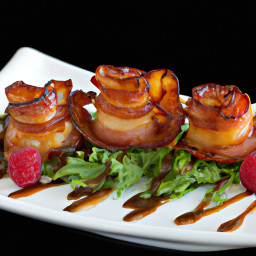
- 9 lb (4.1 kg) bone-in smoked ham (fully cooked)
- 1 cup (240 ml) honey
- 1 cup (220 g) packed brown sugar
- 1/2 cup (120 ml) Dijon mustard
- 1/2 cup (120 ml) apple cider or orange juice
- 2 tbsp (30 ml) apple cider vinegar
- 1/2 tsp (2.5 g) ground cinnamon
- Whole cloves for studding (optional)
1. Preheat oven to 325°F (160°C). Place ham cut-side down in a roasting pan on a rack and score the surface in a diamond pattern; stud centers with cloves if using.
2. In a saucepan, combine honey, brown sugar, Dijon mustard, apple cider (or orange juice), apple cider vinegar, and cinnamon; warm over low heat until sugar dissolves and glaze is smooth.
3. Brush a generous layer of glaze over the ham and tent loosely with foil.
4. Bake the ham for about 12–15 minutes per pound (approximately 1¾–2¼ hours for 9 lb), basting with glaze every 20–30 minutes; remove foil for the last 20–30 minutes to caramelize the glaze.
5. Heat until the internal temperature reaches 140°F (60°C) for pre-cooked ham.
6. Remove from oven and let rest 15 minutes before slicing; reserve any pan glaze warmed for serving.

- 24 wonton wrappers (about 8 oz / 225 g)
- 8 oz (225 g) ground pork
- 4 oz (115 g) raw shrimp, peeled, deveined, finely chopped
- 2 scallions (about 2 oz / 60 g), thinly sliced
- 1 tbsp (15 ml) soy sauce
- 1 tbsp (15 ml) Shaoxing wine or dry sherry
- 1 tsp (5 ml) sesame oil
- 1 tsp (4 g) granulated sugar
- 1 tsp (2.5 g) cornstarch
- 1/4 tsp (1 g) kosher salt
- 1/4 tsp (0.5 g) white pepper
- 1 large egg (50 g), lightly beaten (for sealing)
- 3 cups (700 ml) vegetable oil (for deep-frying)
- 1/4 cup (60 ml) soy sauce (for dipping sauce)
- 2 tbsp (30 ml) rice vinegar
- 1 tbsp (15 ml) chili-garlic sauce (or sambal oelek)
- 1 tsp (5 ml) sesame oil (for sauce)
- 1 tsp (4 g) granulated sugar (for sauce)
- 1 clove garlic, minced
- 1 tsp (5 g) fresh ginger, finely grated
- 1 tbsp (15 ml) thinly sliced scallion (for sauce)
- 1 tsp (2 g) toasted sesame seeds
- Optional: 1/2 tsp (2.5 ml) chili oil or crushed red pepper flakes (to taste)
1. In a medium bowl, combine ground pork, chopped shrimp, sliced scallions, 1 tbsp soy sauce, Shaoxing wine, 1 tsp sesame oil, 1 tsp sugar, 1 tsp cornstarch, salt, and white pepper. Mix until the filling is cohesive and slightly sticky.
2. Place a wonton wrapper on a clean surface. Spoon about 1 tsp of filling into the center. Brush the wrapper edges lightly with beaten egg, fold into a triangle or bring opposite corners together to form the traditional wonton shape, pressing firmly to seal and expel air. Repeat with remaining wrappers and filling.
3. Heat vegetable oil in a deep skillet or pot to 350°F (175°C). Use a thermometer for accuracy. Fry wontons in small batches, turning as needed, until evenly golden brown and crisp, about 2–3 minutes per batch.
4. Transfer fried wontons to a wire rack or plate lined with paper towels to drain. Keep finished batches warm in a single layer on a rack set in a low oven (200°F / 95°C) if making ahead.
5. While the wontons fry, whisk together 1/4 cup soy sauce, rice vinegar, chili-garlic sauce, 1 tsp sesame oil, 1 tsp sugar, minced garlic, grated ginger, sliced scallion, and toasted sesame seeds in a small bowl. Taste and adjust acidity, heat, or sweetness as desired; stir in optional chili oil or red pepper flakes if you like more heat.
6. Serve the crispy wontons hot with the chili‑soy dipping sauce on the side for dipping.

- 1/2 oz (15 g) dried wakame seaweed
- 1 English cucumber (about 8 oz / 225 g), thinly sliced
- 2 tbsp (30 ml) soy sauce
- 1 tbsp (15 ml) rice vinegar
- 1 tbsp (15 ml) toasted sesame oil
- 1 tsp (5 ml) granulated sugar
- 1 tsp (5 ml) chili oil or 1/4 tsp (0.5 g) red pepper flakes (optional)
- 1 clove garlic, minced
- 2 scallions, thinly sliced
- 1 tbsp (9 g) toasted sesame seeds
- 1/2 tsp (3 g) kosher salt, or to taste
1. Rehydrate the wakame: place dried wakame in a bowl, cover with cold water and soak 5–10 minutes until softened. Drain, rinse, squeeze out excess water, and roughly chop if pieces are large.
2. Prepare the cucumber: thinly slice the cucumber into rounds or half-moons. If you prefer a crisper texture, sprinkle with 1/2 tsp salt, let sit 5 minutes, then rinse and pat dry.
3. Toast sesame seeds (if not already toasted): heat a small dry skillet over medium heat, add sesame seeds and toast 1–2 minutes, stirring, until fragrant and lightly golden. Remove from heat and cool.
4. Make the dressing: in a small bowl whisk together soy sauce, rice vinegar, toasted sesame oil, sugar, minced garlic, and chili oil or red pepper flakes (if using). Taste and adjust seasoning with a little more soy or vinegar if desired.
5. Toss salad: combine the rehydrated wakame, cucumber, and sliced scallions in a mixing bowl. Pour the dressing over and toss gently to coat evenly.
6. Chill and serve: refrigerate the salad for at least 10–15 minutes to meld flavors. Before serving, sprinkle with toasted sesame seeds and adjust salt to taste. Serve cold alongside the entrée.

- 1 1/2 lb (680 g) baby bok choy, trimmed and halved lengthwise
- 2 tbsp (30 ml) vegetable oil or peanut oil
- 2 tbsp (30 ml) garlic, minced (about 4 cloves)
- 1 tbsp (15 ml) light soy sauce
- 2 tbsp (30 ml) water or low‑sodium chicken stock
- 1 tsp (5 ml) toasted sesame oil
- 1 tbsp (15 ml) toasted sesame seeds
- 1/4 tsp (1.5 g) kosher salt, or to taste
- 1/8 tsp (0.5 g) white pepper
1. Toast the sesame seeds in a dry skillet over medium heat, stirring, until golden and fragrant, about 1–2 minutes; transfer to a small bowl and set aside.
2. Rinse the baby bok choy and shake off excess water; trim the stem ends and halve each head lengthwise so stems and leaves cook evenly.
3. Heat a large wok or skillet over medium‑high heat until hot, then add the vegetable oil and swirl to coat.
4. Add the minced garlic and stir for about 15–20 seconds until fragrant but not browned.
5. Place the bok choy cut side down in the pan in a single layer; cook undisturbed 1–2 minutes to sear the stems, then toss briefly.
6. Add the soy sauce and water (or stock), cover the pan, and steam for 1–2 minutes more until stems are just tender and leaves are bright green.
7. Uncover, drizzle the toasted sesame oil over the bok choy, season with salt and white pepper, and toss to coat evenly.
8. Transfer to a serving plate and sprinkle with the toasted sesame seeds. Serve immediately.
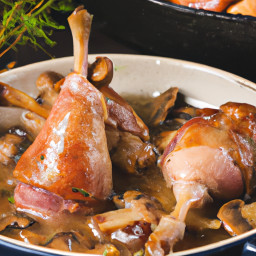
- 2 medium ripe mangoes, peeled and chopped (about 2 cups, 480 g mango puree)
- 1/4 cup (60 ml) cold water
- 4 1/2 tsp (14 g) unflavored powdered gelatin
- 1 cup (240 ml) evaporated milk
- 1/2 cup (120 ml) heavy cream
- 3 tbsp (45 g) granulated sugar
- 1 tbsp (15 ml) fresh lemon juice
- Pinch of salt
- 1/2 cup (80 g) diced mango for garnish
- Mint sprigs for garnish (optional)
1. Puree the peeled and chopped mangoes in a blender until smooth; measure about 2 cups (480 g). Reserve 1/2 cup (80 g) diced mango for garnish.
2. Sprinkle the powdered gelatin evenly over 1/4 cup (60 ml) cold water in a small bowl and let it bloom for 5 minutes.
3. In a small saucepan, combine evaporated milk, heavy cream, and granulated sugar with a pinch of salt. Warm over medium heat, stirring until the sugar dissolves and the mixture is just steaming (do not boil).
4. Remove the milk mixture from heat and stir in the bloomed gelatin until completely dissolved.
5. Stir the mango puree and lemon juice into the warm milk-gelatin mixture until smooth. Taste and adjust sweetness if needed.
6. Let the mixture cool slightly (5–10 minutes), then pour evenly into four 6-oz (180 ml) ramekins or molds.
7. Refrigerate uncovered until fully set, about 3–4 hours (or overnight).
8. To unmold, briefly dip each mold in warm water for 5–10 seconds, invert onto a serving plate, and lift off the mold. Garnish with diced mango and a mint sprig before serving.

- 1 1/2 lb (680 g) boneless skin-on or skinless chicken thighs, cut into 1 1/2-inch (4 cm) pieces
- 1 cup (240 ml) plain yogurt
- 2 tbsp (30 ml) lemon juice
- 2 tbsp (30 g) ginger-garlic paste or minced fresh ginger and garlic combined
- 1 1/2 tsp (6 g) ground cumin
- 1 1/2 tsp (6 g) ground coriander
- 1 tsp (2 g) paprika or mild chili powder
- 1/2 tsp (1 g) turmeric
- 1 tsp (6 g) salt, plus more to taste
- 2 tbsp (30 ml) vegetable oil
- 2 tbsp (28 g) butter
- 1 large onion (about 240 g), finely chopped
- 1 1/2 cups (360 ml) tomato purée or strained canned tomatoes
- 1/2 cup (120 ml) low-sodium chicken stock or water
- 1 tsp (2 g) garam masala
- 1 tsp (1 g) dried fenugreek leaves (kasuri methi), crushed
- 1 tsp (4 g) sugar (optional)
- 1/2 cup (120 ml) heavy cream
- 1/4 cup (15 g) fresh cilantro, chopped, for garnish
1. In a bowl combine yogurt, lemon juice, 1 tbsp (15 ml) oil, 1 tbsp (15 g) ginger-garlic paste, cumin, coriander, paprika, turmeric and 1/2 tsp (3 g) salt. Add chicken, toss to coat, cover and refrigerate at least 1 hour or overnight.
2. Preheat broiler or oven to high (or heat a grill). Thread chicken on skewers or spread on a baking sheet; broil/grill until edges are charred and chicken is nearly cooked through, about 6–8 minutes per side depending on heat. Alternatively sear pieces in 1 tbsp (15 ml) oil in a hot skillet until browned and mostly cooked.
3. In a large skillet heat butter and remaining 1 tbsp (15 ml) oil over medium heat. Add chopped onion and sauté until soft and golden, about 8–10 minutes. Add remaining 1 tbsp (15 g) ginger-garlic paste and cook 1 minute.
4. Stir in tomato purée and chicken stock; bring to a simmer. Cook, stirring occasionally, until sauce thickens slightly, 10–12 minutes. Taste and add sugar if acidity is sharp.
5. Add garam masala, crushed fenugreek and cream; stir to combine. Add grilled chicken pieces into the sauce and simmer gently 8–10 minutes until chicken is cooked through and flavors meld.
6. Adjust salt, finish with chopped cilantro and an extra splash of cream if desired. Serve hot with rice or naan.
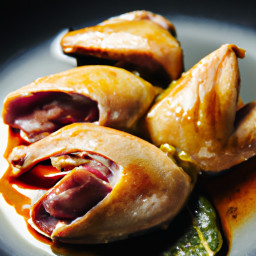
- 1 1/2 lb (680 g) boneless chicken breast or thighs, cut into 1 1/2-inch (4 cm) cubes
- 1 cup (240 ml) plain full-fat yogurt
- 2 tbsp (30 ml) lemon juice
- 2 tbsp (30 g) ginger-garlic paste
- 1 1/2 tsp (6 g) ground coriander
- 1 tsp (4 g) ground cumin
- 1 tsp (2 g) red chili powder or Kashmiri chili for color
- 1/2 tsp (1 g) turmeric
- 1 tsp (6 g) salt
- 2 tbsp (30 ml) mustard oil or vegetable oil
- 3 tbsp (45 g) ghee or unsalted butter
- 1 large onion (240 g), finely chopped
- 1 cup (240 g) canned crushed tomatoes
- 1/2 cup (120 ml) water or low-sodium chicken stock
- 1/4 cup (30 g) cashew paste (soak 2 oz/55 g cashews in hot water, then purée) — optional for creaminess
- 1 tsp (2 g) garam masala
- 1 tsp (1 g) dried fenugreek leaves (kasuri methi), crushed
- 1/2 cup (120 ml) fresh cream or evaporated milk
- Fresh cilantro for garnish (about 1/4 cup / 15 g)
1. Combine yogurt, lemon juice, ginger-garlic paste, ground coriander, cumin, chili powder, turmeric, salt and 1 tbsp (15 ml) oil in a bowl. Add chicken, coat thoroughly, cover and marinate at least 4 hours or overnight in the refrigerator.
2. Preheat broiler, grill or tandoor. Thread marinated chicken onto skewers or arrange on a rack; brush with remaining 1 tbsp (15 ml) oil and cook until charred at edges and almost cooked through, 6–10 minutes, turning once. Remove and set aside.
3. In a heavy pan heat ghee or butter over medium heat. Add chopped onion and sauté until deep golden brown, about 12–15 minutes. Add remaining ginger-garlic if desired and cook 1 minute.
4. Stir in crushed tomatoes and water/stock, bring to a simmer and cook 8–10 minutes until oil separates slightly. If using, add cashew paste and simmer 3–4 minutes to thicken.
5. Add garam masala and crushed fenugreek. Stir in cream, then add grilled chicken pieces to the sauce. Simmer gently 8–10 minutes until chicken is fully cooked and sauce is silky.
6. Taste and adjust salt; garnish with chopped cilantro and serve with steamed basmati rice or roti.
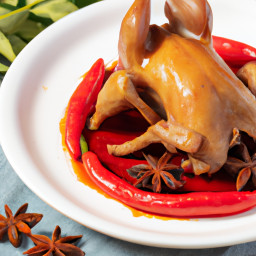
- 1 1/2 lb (680 g) boneless chicken thighs, cut into bite-sized pieces
- 1 cup (240 ml) plain yogurt
- 2 tbsp (30 g) ginger-garlic paste
- 1 tbsp (15 ml) lemon juice
- 1 1/2 tsp (6 g) garam masala (divided)
- 1 tsp (4 g) ground cumin
- 1 tsp (2 g) red chili powder or paprika for milder heat
- 1/2 tsp (1 g) turmeric
- 1 1/2 tsp (9 g) salt, divided
- 2 tbsp (30 ml) vegetable oil
- 3 tbsp (45 g) ghee or butter
- 1 large onion (240 g), grated or finely chopped
- 1 1/4 cups (300 g) tomato purée
- 1/2 cup (120 ml) chicken stock
- 1/4 cup (60 ml) plain yogurt (for sauce) or 1/4 cup (60 ml) cream for richer finish
- 1 tsp (1 g) dried fenugreek leaves (kasuri methi), crushed
- 1/4 cup (15 g) chopped cilantro for garnish
1. In a bowl mix 1 cup (240 ml) yogurt, ginger-garlic paste, lemon juice, 1 tsp (3 g) garam masala, cumin, chili powder, turmeric and 1 tsp (6 g) salt. Add chicken, mix well, cover and refrigerate at least 4 hours or overnight.
2. Roast marinated chicken in a preheated 450°F (230°C) oven on a rack or under a broiler until charred at edges and cooked through, about 12–15 minutes, turning once. Alternatively cook on a hot grill.
3. In a heavy skillet heat ghee or butter over medium heat. Add onion and cook slowly until deeply caramelized, about 15 minutes. Add tomato purée and stock, simmer 10 minutes until thickened.
4. Whisk in remaining 1/4 cup (60 ml) yogurt or cream and remaining 1/2 tsp (3 g) garam masala; simmer 2–3 minutes. Add crushed fenugreek and remaining salt to taste.
5. Add roasted chicken pieces to the gravy and simmer gently 6–8 minutes for flavors to marry. Garnish with chopped cilantro and serve with naan or pilau rice.
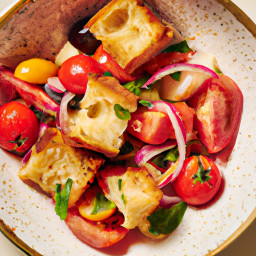
- 12 large jalapeños (about 1 lb / 450 g)
- 8 oz (225 g) cream cheese, softened
- 1/2 cup (56 g) shredded sharp cheddar cheese
- 2 tbsp (30 ml) finely chopped green onion (scallion)
- 1/2 tsp (2.5 ml) garlic powder
- 1/4 tsp (1.25 ml) kosher salt
- 1/4 tsp (1.25 ml) freshly ground black pepper
- 8 slices (8 oz / 225 g) bacon, cut in half crosswise
- 12 toothpicks
- 1 tsp (5 ml) neutral oil or cooking spray, for the rack
1. Preheat the oven to 400°F (200°C). Line a rimmed baking sheet with foil and set a wire rack on the sheet; lightly brush or spray the rack with oil.
2. Wearing gloves if preferred, slice each jalapeño in half lengthwise and remove seeds and membranes with a small spoon for milder poppers (leave some seeds if you prefer more heat). Pat the pepper halves dry.
3. In a medium bowl, beat the softened cream cheese until smooth. Stir in the shredded cheddar, chopped green onion, garlic powder, salt, and pepper until evenly combined.
4. Spoon or pipe the cheese mixture into each jalapeño half, pressing gently so each cavity is well filled but not overflowing.
5. Wrap each filled jalapeño half with a half slice of bacon (cut-side of the bacon against the filling helps it adhere), and secure the bacon with a toothpick through the center.
6. Arrange the bacon-wrapped poppers on the prepared rack with space between each. Lightly spray the exposed bacon with cooking spray or brush with a little oil to encourage even browning.
7. Bake for 20–25 minutes, rotating the pan once halfway through, until the bacon is crisp and the filling is hot. If needed, broil on high 1–2 minutes to finish browning—watch closely to prevent burning.
8. Remove from the oven and let rest 3–5 minutes. Transfer to a serving plate and serve warm.

- 2 lb (900 g) small red potatoes, scrubbed
- 4 large eggs
- 1/2 cup (120 ml) mayonnaise
- 1/4 cup (60 ml) sour cream
- 2 tbsp (30 ml) Dijon mustard
- 1 tbsp (15 ml) pickle brine (from jar)
- 3/4 cup (180 g) dill pickles, finely chopped
- 1/2 cup (50 g) celery, finely diced
- 1/4 cup (40 g) red onion, finely diced
- 2 tbsp (8 g) fresh dill, chopped
- 1 tbsp (15 ml) apple cider vinegar
- 1 tsp (4 g) granulated sugar (optional)
- Salt and freshly ground black pepper to taste
- 1 tbsp (15 ml) chopped chives or parsley for garnish (optional)
1. Put potatoes in a large pot and cover with cold water by 1 inch (2.5 cm); add a pinch of salt. Bring to a boil over high heat, then reduce to a simmer and cook until potatoes are tender when pierced with a fork, about 15–20 minutes depending on size. Drain and let cool until warm enough to handle, then cut into 1-inch (2.5 cm) pieces.
2. Meanwhile, place eggs in a small saucepan, cover with cold water, bring to a boil, then reduce heat and simmer 9–11 minutes for hard‑boiled. Transfer eggs to an ice bath, cool, peel, and roughly chop.
3. In a medium bowl whisk together mayonnaise, sour cream, Dijon mustard, pickle brine, apple cider vinegar, and sugar (if using) until smooth. Season lightly with salt and pepper.
4. Stir chopped pickles, diced celery, red onion, and chopped dill into the dressing.
5. Add warm potato pieces to a large mixing bowl and gently fold in the dressing so the warm potatoes absorb flavor. Fold in the chopped eggs, taste, and adjust salt and pepper.
6. Cover and chill at least 1 hour to let flavors meld (up to overnight). Before serving, garnish with chopped chives or parsley and additional dill if desired. Serve cold or at cool room temperature.
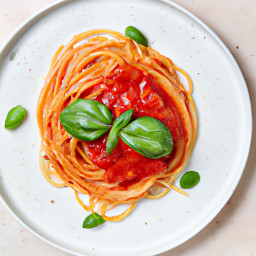
- 1 cup (150 g) yellow cornmeal
- 1 cup (125 g) all-purpose flour
- 2 tbsp (25 g) granulated sugar
- 1 tbsp (15 ml) baking powder
- 1/2 tsp (2.5 ml) baking soda
- 1 tsp (5 ml) kosher salt
- 1 large egg (about 50 g)
- 1 cup (240 ml) buttermilk
- 3 tbsp (42 g) unsalted butter, melted
- 2 tbsp (30 ml) vegetable oil
- 1 tbsp (14 g) unsalted butter for the skillet
1. Preheat the oven to 425°F (220°C). Place a 10-inch (25 cm) cast-iron skillet in the oven while it heats so the skillet becomes very hot.
2. In a large bowl, whisk together the cornmeal, flour, sugar, baking powder, baking soda, and salt until evenly combined.
3. In a separate bowl, beat the egg lightly, then whisk in the buttermilk, melted butter, and vegetable oil until blended.
4. Pour the wet ingredients into the dry ingredients and stir just until combined; a few small lumps are fine. Do not overmix.
5. Carefully remove the hot skillet from the oven (use oven mitts). Add 1 tbsp (14 g) unsalted butter to the skillet and swirl to coat the bottom and sides; it should sizzle and melt quickly.
6. Immediately pour the batter into the hot, buttered skillet and smooth the top with a spatula.
7. Bake in the preheated oven for 20–25 minutes, until the top is deep golden brown and a toothpick inserted into the center comes out clean.
8. Remove from the oven and let cool in the skillet for 5–10 minutes. Run a knife around the edge, slice into wedges, and serve warm alongside the barbecue spare ribs.
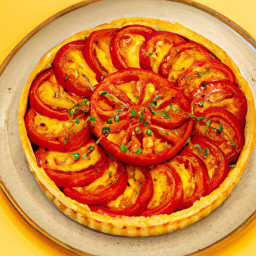
- 1 9-inch (23 cm) unbaked pie crust
- 1 1/4 cups (250 g) granulated sugar
- 3 tbsp (23 g) all-purpose flour
- 1/4 tsp (1.5 g) salt
- 3 large eggs
- 1/2 cup (120 ml) fresh lemon juice (about 2–3 lemons)
- 1 tbsp (6 g) lemon zest (from 1–2 lemons)
- 1 cup (240 ml) buttermilk
- 4 tbsp (57 g) unsalted butter, melted and cooled slightly
- 1 tsp (5 ml) vanilla extract
- Powdered sugar for dusting (optional)
1. Preheat the oven to 375°F (190°C). Fit the unbaked pie crust into a 9-inch pan if not already in one. Line the crust with parchment and fill with pie weights or dried beans. Blind-bake for 12 minutes, remove weights and parchment, and bake 4–6 more minutes until the crust edge is set. Reduce oven to 350°F (175°C).
2. In a medium bowl, whisk together the granulated sugar, flour, and salt until evenly mixed.
3. In a separate bowl, beat the eggs lightly. Whisk the eggs into the dry mixture until smooth, then add the lemon juice, lemon zest, buttermilk, melted butter, and vanilla; whisk until fully combined and smooth.
4. Pour the filling into the warm par-baked crust and gently level the surface. Bake at 350°F (175°C) for 35–45 minutes, until the edges are set and the center has only a slight jiggle (the custard will continue to firm as it cools).
5. Remove the pie from the oven and cool on a wire rack for 1–2 hours, then chill in the refrigerator for at least 2 hours (or overnight) to fully set and develop flavor.
6. Just before serving, dust the top with powdered sugar if desired or serve with lightly sweetened whipped cream. Slice and serve chilled or at cool room temperature.
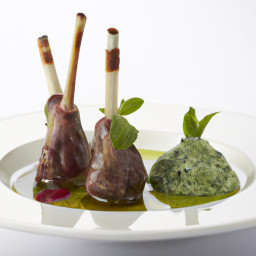
- 1 (10–12 in) French baguette (25–30 cm)
- 2 tbsp (30 g) pork liver pâté
- 2 tbsp (30 ml) mayonnaise
- 2 oz (60 g) chả lụa (Vietnamese pork roll), thinly sliced
- 2 oz (55 g) Vietnamese cold-cut ham or headcheese, thinly sliced
- 1 cup (120 g) julienned carrot
- 1 cup (120 g) julienned daikon (white radish)
- 1/2 cup (120 ml) rice vinegar
- 1/2 cup (120 ml) water
- 3 tbsp (45 g) granulated sugar
- 1 tsp (5 g) salt
- 1/2 cup (50 g) cucumber, thinly sliced
- Cilantro sprigs
- 1 small jalapeño, thinly sliced (optional)
1. Combine rice vinegar, water, sugar, and salt in a bowl; stir until sugar dissolves. Add julienned carrot and daikon; let sit for at least 15 minutes (longer for crisper pickle). Drain before using.
2. Split the baguette lengthwise and lightly toast under a broiler or in a pan until crisp.
3. Spread pâté on one side and mayonnaise on the other. Layer sliced chả lụa and cold-cut ham.
4. Add drained pickled carrots and daikon, cucumber slices, cilantro sprigs, and jalapeño. Close sandwich, press lightly, slice in half, and serve.
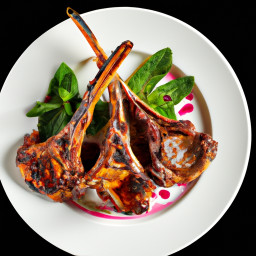
- 1 (10–12 in) French baguette (25–30 cm)
- 12 oz (340 g) pork shoulder, thinly sliced
- 2 tbsp (30 ml) fish sauce
- 2 tbsp (30 ml) soy sauce
- 1 tbsp (15 ml) vegetable oil
- 1 tbsp (15 g) finely minced lemongrass (about 1 stalk)
- 2 cloves garlic, minced
- 1 tbsp (12 g) brown sugar
- 1/2 tsp (1 g) ground black pepper
- 2 tbsp (30 ml) mayonnaise
- 1/2 cup (120 g) quick-pickled carrots and daikon (see recipe below)
- 1/2 cup (50 g) cucumber, thinly sliced
- Cilantro sprigs
- 1 small jalapeño, thinly sliced (optional)
- Quick-pickled carrots and daikon:
- 1/2 cup (60 g) julienned carrot
- 1/2 cup (60 g) julienned daikon
- 1/4 cup (60 ml) rice vinegar
- 1/4 cup (60 ml) water
- 1½ tbsp (22 g) sugar
- 1/2 tsp (2.5 g) salt
1. In a bowl combine fish sauce, soy sauce, vegetable oil, minced lemongrass, garlic, brown sugar, and black pepper. Add pork slices and marinate at least 1 hour, up to overnight.
2. Meanwhile mix pickle ingredients (vinegar, water, sugar, salt) and toss with carrot and daikon; set aside to soften.
3. Grill or pan-sear marinated pork over medium-high heat until edges are caramelized and pork is cooked through, about 3–4 minutes per side for thin slices.
4. Split and toast baguette. Spread mayonnaise on the bread, add grilled pork, then top with pickled vegetables, cucumber, cilantro, and jalapeño. Serve immediately.

- 1 (10–12 in) French baguette (25–30 cm)
- 12 oz (340 g) boneless chicken thighs or breast, thinly sliced
- 1½ tbsp (22 ml) fish sauce
- 1½ tbsp (22 ml) soy sauce
- 1 tbsp (15 ml) vegetable oil
- 1 tbsp (15 g) minced lemongrass
- 2 cloves garlic, minced
- 1 tbsp (15 g) sugar or honey
- 1/2 tsp (1 g) ground black pepper
- 2 tbsp (30 ml) mayonnaise
- 1/2 cup (120 g) quick-pickled carrots and daikon (prepared as in previous recipe)
- 1/2 cup (50 g) cucumber, thinly sliced
- Cilantro sprigs
- 1 small jalapeño, thinly sliced (optional)
1. Combine fish sauce, soy sauce, oil, minced lemongrass, garlic, sugar or honey, and pepper; marinate chicken for at least 30 minutes, preferably 1–2 hours.
2. Grill or pan-fry chicken over medium-high heat until cooked through and slightly charred, about 4–6 minutes per side depending on thickness. Let rest, then thinly slice.
3. Toast the baguette, spread mayonnaise, layer sliced grilled chicken, pickled carrots and daikon, cucumber, cilantro, and jalapeño. Serve warm.
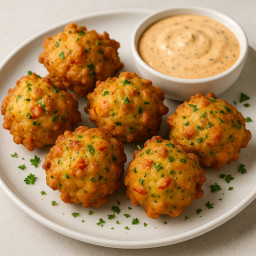
- 1 cup (120 g) all-purpose flour
- 1 tsp (4 g) baking powder
- 1/2 tsp (1 g) kosher salt
- 1/2 tsp (1 g) black pepper
- 1/4 tsp (0.5 g) cayenne pepper
- 1/2 tsp (1 g) garlic powder
- 1 large egg
- 3/4 cup (180 ml) buttermilk (or whole milk)
- 1 tbsp (15 ml) unsalted butter, melted
- 8 oz (225 g) cooked crawfish tails, coarsely chopped
- 1/2 cup (50 g) sliced green onions (scallions)
- 2 tbsp (8 g) chopped fresh parsley
- Vegetable oil for frying
- Salt and black pepper to taste

Spicy Dipping Sauce
- 1/2 cup (120 g) mayonnaise
- 2 tbsp (30 ml) Creole mustard
- 1 tbsp (15 ml) hot sauce (such as Tabasco)
- 1 tsp (5 ml) Worcestershire sauce
- 1 tbsp (15 ml) fresh lemon juice
- 1 tbsp (6 g) finely chopped green onion
- 1/2 tsp (1 g) smoked paprika
- 1/4 tsp (0.5 g) cayenne pepper (optional, for extra heat)
- Salt and black pepper to taste
1. Pat the cooked crawfish tails dry with paper towels and coarsely chop if needed; set aside.
2. In a large bowl whisk together the flour, baking powder, salt, black pepper, cayenne, and garlic powder until evenly combined.
3. In a separate bowl beat the egg, then whisk in the buttermilk and melted butter. Pour the wet mixture into the dry ingredients and stir just until combined; the batter should be thick and spoonable. If too stiff, add a tablespoon of milk at a time to reach a thick-drop consistency.
4. Fold the chopped crawfish, sliced green onions, and chopped parsley into the batter. Taste and adjust salt and pepper if needed. Let the batter rest 8–10 minutes while you heat the oil.
5. Meanwhile, stir together all dipping sauce ingredients in a small bowl until smooth. Cover and refrigerate to let flavors meld while frying.
6. Pour vegetable oil into a deep skillet or heavy pot to a depth of about 2 inches and heat to 350°F (175°C). Use a candy/thermometer to verify temperature. Keep oil between 325–350°F (160–175°C) while frying.
7. Using two spoons or a small cookie scoop, drop heaping tablespoonfuls of batter into the hot oil, working in small batches so the beignets have room to brown evenly. Fry 2–3 minutes per side, turning once, until puffed and deep golden brown.
8. Remove beignets with a slotted spoon and drain on a wire rack set over a baking sheet or on paper towels. Lightly season with salt while still hot. Repeat with remaining batter, adjusting heat as needed.
9. Serve the crawfish beignets hot with the chilled spicy dipping sauce alongside.

- 2 lb (900 g) new potatoes, scrubbed and halved if small or quartered if large (cut into 1–1½ inch pieces)
- 6 scallions (about 1/2 cup/50 g), thinly sliced, whites and greens separated
- 1 small shallot, finely minced (about 1 tbsp/15 g)
- 3 tbsp (45 ml) extra-virgin olive oil
- 2 tbsp (30 ml) white wine vinegar or sherry vinegar
- 1 tbsp (15 ml) Dijon mustard
- 1 tsp (5 ml) honey or sugar
- 1/2 tsp (2.5 ml) kosher salt, plus more to taste
- Freshly ground black pepper to taste
- 2 tbsp (8 g) chopped fresh flat-leaf parsley
- 2 tbsp (6 g) chopped fresh chives
1. Place potatoes in a large pot and cover with cold salted water. Bring to a simmer over medium-high heat and cook until fork-tender, about 12–18 minutes depending on size. Drain and return to the hot pot off the heat for 1–2 minutes to dry.
2. While potatoes cook, whisk together olive oil, vinegar, Dijon mustard, honey, minced shallot, 1/2 tsp kosher salt, and several grinds of black pepper in a bowl until emulsified.
3. In a large serving bowl, combine the hot potatoes and the sliced scallion whites; pour the warm vinaigrette over the potatoes and gently toss so the warm potatoes absorb the dressing and the scallion whites soften slightly.
4. Stir in chopped parsley and chives, then taste and adjust seasoning with more salt and pepper if needed. Fold in the scallion greens last to keep their color and brightness.
5. Serve warm or at room temperature. The salad can be made slightly ahead and gently reheated or left to sit 15–30 minutes for flavors to meld.

- 1 1/2 cups (180 g) yellow cornmeal
- 1 cup (120 g) all-purpose flour
- 1/4 cup (50 g) granulated sugar
- 1 tbsp (15 ml) baking powder
- 1/2 tsp (2.5 ml) baking soda
- 1 tsp (5 g) kosher salt
- 2 large eggs
- 1 cup (240 ml) buttermilk
- 1/3 cup (75 g) unsalted butter, melted
- 2 tbsp (30 ml) honey
- 1 cup (150 g) fresh or frozen corn kernels, thawed if frozen
- 2 medium jalapeños, seeded and finely chopped
- 4 tbsp (60 g) unsalted butter, softened (for honey butter)
- 3 tbsp (45 ml) honey (for honey butter)
- 1/8 tsp (1 g) fine salt (for honey butter)
1. Preheat the oven to 400°F (200°C). If using a cast-iron skillet, place it in the oven while preheating; if using an 8x8-inch (20 x 20 cm) baking pan, grease it well and set aside.
2. In a large bowl whisk together the cornmeal, flour, sugar, baking powder, baking soda, and kosher salt until evenly combined.
3. In a separate bowl whisk the eggs, buttermilk, melted butter, and 2 tablespoons (30 ml) honey until smooth.
4. Pour the wet ingredients into the dry ingredients and stir gently until just combined; do not overmix. Fold in the corn kernels and the chopped jalapeños.
5. If using a hot cast-iron skillet, carefully remove it from the oven and add a small knob of butter to coat the base, then pour the batter into the skillet. If using a prepared pan, pour the batter into the pan and smooth the top.
6. Bake in the preheated oven until the top is golden and a toothpick inserted in the center comes out clean, 20–25 minutes for a skillet or 22–28 minutes for an 8x8 pan. If the top browns too quickly, tent loosely with foil for the last 5–8 minutes.
7. While the cornbread bakes, make the honey butter: beat 4 tablespoons (60 g) softened butter with 3 tablespoons (45 ml) honey and 1/8 teaspoon (1 g) fine salt until smooth and spreadable.
8. Remove the cornbread from the oven and let rest 8–10 minutes. Slice or cut into wedges and serve warm with the honey butter alongside shrimp étouffée.
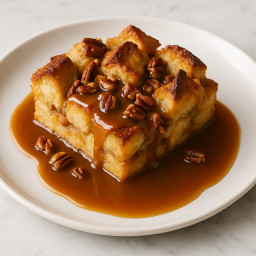
- 8 cups (about 1 lb / 450 g) cubed brioche or day-old French bread
- 2 cups (480 ml) whole milk
- 1 cup (240 ml) heavy cream
- 4 large eggs (about 200 g)
- 3/4 cup (150 g) granulated sugar
- 2 tsp (10 ml) vanilla extract
- 1 tsp (2.6 g) ground cinnamon
- 1/4 tsp (0.6 g) ground nutmeg
- 1/2 tsp (3 g) kosher salt
- 3 tbsp (45 g) unsalted butter, melted (for custard)
- 1/2 cup (60 g) chopped pecans (optional)
- 2 tbsp (30 g) unsalted butter, softened (for greasing dish)
- For the whiskey caramel sauce:
- 6 tbsp (85 g) unsalted butter
- 1 cup (200 g) packed light brown sugar
- 1/2 cup (120 ml) heavy cream
- 1/4 cup (60 ml) whiskey (Bourbon or rye recommended)
- 1 tsp (5 ml) vanilla extract
- Pinch of kosher salt
1. Preheat the oven to 350°F (175°C). Butter a 2-quart (2 L) baking dish with 2 tbsp (30 g) softened butter.
2. Place the cubed bread and chopped pecans (if using) in a large mixing bowl.
3. In a separate bowl, whisk together the milk, heavy cream, eggs, granulated sugar, vanilla, cinnamon, nutmeg, salt, and 3 tbsp (45 g) melted butter until smooth.
4. Pour the custard over the bread cubes, pressing gently so the bread absorbs the liquid. Let stand 20–30 minutes to soak, stirring once or twice to distribute evenly.
5. Transfer the soaked bread mixture to the prepared baking dish, smoothing the top. If any custard remains in the bowl, pour it over the top.
6. Bake on the middle rack until the custard is set and the top is golden, 45–55 minutes. A knife inserted near the center should come out mostly clean with a slight custard clinging.
7. While the pudding bakes, make the whiskey caramel sauce: In a medium saucepan over medium heat, melt 6 tbsp (85 g) butter. Add the brown sugar and stir until dissolved and bubbly, about 2–3 minutes.
8. Carefully whisk in 1/2 cup (120 ml) heavy cream and a pinch of salt; simmer gently for 2–3 minutes until slightly thickened.
9. Remove the saucepan from the heat and stir in 1/4 cup (60 ml) whiskey and 1 tsp (5 ml) vanilla extract. Let the sauce cool slightly; alcohol will remain aromatic while some alcohol cooks off. (If you prefer no alcohol flame risk, remove the pan from heat before adding whiskey.)
10. When the pudding is done, let it rest 10 minutes, then spoon generous amounts of warm whiskey caramel sauce over individual portions. Serve warm.
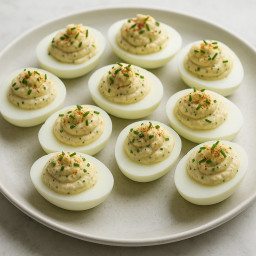
- 12 large eggs (about 600 g)
- 1/2 cup (120 ml) mayonnaise
- 2 tbsp (30 ml) sour cream or crème fraîche
- 2 tbsp (30 ml) prepared horseradish
- 1 tsp (5 ml) Dijon mustard
- 1 tsp (5 ml) fresh lemon juice
- 3/4 tsp (4 g) fine salt
- 1/4 tsp (0.5 g) freshly ground black pepper
- 2 tbsp (6 g) fresh chives, finely chopped
- 1 tsp (2 g) sweet paprika, for garnish
1. Place the eggs in a single layer in a saucepan and cover with cold water by about 1 inch (2.5 cm). Bring to a gentle boil over medium-high heat, then remove from heat, cover, and let sit 10–12 minutes for fully set yolks.
2. Drain and transfer eggs to an ice bath; chill 5 minutes. Peel the eggs and pat dry.
3. Halve the eggs lengthwise and carefully remove the yolks to a medium bowl. Arrange the empty whites on a platter or tray.
4. Mash the yolks with a fork until crumbly. Add mayonnaise, sour cream, prepared horseradish, Dijon mustard, lemon juice, salt, and pepper. Stir until smooth and creamy; taste and adjust seasoning or horseradish to preference. Fold in 1 tablespoon (3 g) of the chopped chives, reserving the rest for garnish.
5. Transfer the yolk mixture to a piping bag fitted with a large star or round tip, or use a small spoon. Pipe or spoon the filling into the egg white halves, mounding slightly.
6. Sprinkle the filled eggs with sweet paprika and the remaining chopped chives. Cover and chill at least 15–30 minutes to let flavors meld before serving.

- 1 head (about 450 g) iceberg lettuce, chilled
- 6 slices (about 4 oz / 115 g) thick-cut bacon
- 1 cup (150 g) cherry tomatoes, halved
- 1/4 small (about 30 g) red onion, thinly sliced
- 1/2 cup (56 g) crumbled blue cheese, divided
- 1/4 cup (60 ml) mayonnaise
- 1/4 cup (60 ml) sour cream
- 1/4 cup (60 ml) buttermilk
- 1 tbsp (15 ml) red wine vinegar
- 1 tsp (5 ml) Worcestershire sauce
- 1 small clove (about 3 g) garlic, minced
- 2 tbsp (6 g) chopped fresh chives
- Freshly ground black pepper to taste
- Flaky sea salt for seasoning
- Optional: 1 hard-boiled egg, quartered
1. Cook the bacon in a skillet over medium heat until crisp, about 8–10 minutes; transfer to a paper towel-lined plate to drain, then crumble when cool.
2. Whisk together the mayonnaise, sour cream, buttermilk, red wine vinegar, Worcestershire, and minced garlic in a bowl; season with a pinch of salt and freshly ground black pepper. Stir in half of the crumbled blue cheese (about 1/4 cup / 28 g) and 1 tablespoon of chopped chives; adjust thickness with a little more buttermilk if needed and taste for seasoning.
3. Remove core from the chilled iceberg head and cut into 4 even wedges. Pat each wedge dry with paper towels to help the dressing adhere.
4. Place one wedge on each plate. Spoon or drizzle the blue cheese dressing over the top and down the sides so it coats the lettuce.
5. Scatter crumbled bacon, halved cherry tomatoes, thinly sliced red onion, and the remaining blue cheese over each wedge. Sprinkle with the remaining chopped chives, a grind of black pepper, and a few flakes of sea salt. Add a quartered hard-boiled egg to each plate if using.
6. Serve immediately alongside the grilled sirloin steak so the cool, creamy salad contrasts with the warm, buttery meat.
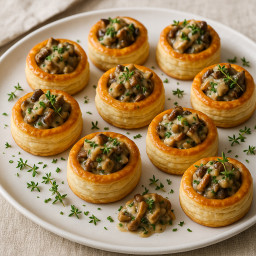
- 12 ready-made vol-au-vent shells
- 2 tbsp (30 ml) unsalted butter
- 1 tbsp (15 ml) olive oil
- 1 small shallot, finely chopped
- 2 cloves garlic, minced
- 12 oz (340 g) mixed wild mushrooms (chanterelle, shiitake, cremini, or similar), coarsely chopped
- 1 tbsp (3 g) fresh thyme leaves, plus extra sprigs for garnish
- 1 tbsp (8 g) all-purpose flour
- 1/4 cup (60 ml) dry white wine
- 1/2 cup (120 ml) low-sodium chicken or vegetable stock
- 1/3 cup (80 ml) heavy cream
- 1 tsp (5 ml) fresh lemon juice
- 1/2 tsp (2.5 g) kosher salt, or to taste
- 1/4 tsp (0.5 g) freshly ground black pepper, or to taste
- 1 egg, beaten (for egg wash)
- 2 tbsp (8 g) chopped fresh parsley, for garnish
1. Preheat the oven to 400°F (200°C). If using frozen or packaged vol-au-vent shells, bake them according to package directions until puffed and golden; set aside on a baking sheet. If shells are already baked, place them on a baking sheet and keep warm in the oven set to 200°F (95°C).
2. In a large skillet over medium heat, melt the butter with the olive oil. Add the shallot and cook, stirring, until softened and translucent, about 2–3 minutes.
3. Add the minced garlic and cook 30 seconds until fragrant. Add the chopped mushrooms and thyme; increase heat to medium-high and sauté until the mushrooms release their moisture and most of it has evaporated, about 6–8 minutes.
4. Sprinkle the flour over the mushrooms and stir to coat; cook 1 minute to remove the raw flour taste.
5. Pour in the white wine to deglaze the pan, scraping up any browned bits, and simmer until the wine is mostly reduced, about 1–2 minutes.
6. Stir in the stock and cream, bring to a gentle simmer, and cook until the mixture thickens enough to hold its shape, about 3–4 minutes. Stir in the lemon juice, salt, and pepper; taste and adjust seasoning.
7. Remove the skillet from the heat and stir in the chopped parsley. If the filling is very hot or loose, let it cool 5 minutes so it will hold in the shells.
8. Brush the rims of the prepared vol-au-vent shells lightly with beaten egg and, if desired, return to the oven at 375°F (190°C) for 3–4 minutes to glaze and re-crisp.
9. Spoon the warm mushroom mixture into each vol-au-vent shell, filling just to the top. Garnish each with a small thyme sprig and a sprinkle of chopped parsley.
10. Serve immediately while warm as an appetizer alongside the herb-crusted pork chops or on its own.
- 1 lb (450 g) mixed beets (about 4 medium), washed and tops removed
- 1 tbsp (15 ml) olive oil for roasting
- 5 oz (140 g) baby arugula or mixed salad greens
- 4 oz (115 g) goat cheese, crumbled
- 3/4 cup (75 g) walnut halves, roughly chopped
- 2 tbsp (25 g) packed brown sugar
- 1 tbsp (15 ml) unsalted butter (optional, for candied walnuts)
- 3 tbsp (45 ml) extra-virgin olive oil (for vinaigrette)
- 1 tbsp (15 ml) balsamic vinegar
- 1 tsp (5 ml) Dijon mustard
- 1 tsp (5 ml) honey or maple syrup
- 1 small shallot, finely minced
- 1/4 tsp (1.5 g) kosher salt, plus more to taste
- 1/4 tsp (0.5 g) freshly ground black pepper, plus more to taste
- 1 tbsp (15 ml) chopped fresh parsley or chives (optional, for garnish)
- Flaky sea salt for finishing (optional)
1. Preheat the oven to 400°F (200°C). Toss whole washed beets with 1 tbsp (15 ml) olive oil and a pinch of salt, wrap individually in foil or place in a covered baking dish, and roast until tender when pierced with a knife, 45–60 minutes depending on size.
2. While beets roast, prepare the candied walnuts: heat a dry skillet over medium. Add walnuts and toast, stirring, until fragrant, 3–4 minutes. Reduce heat to low, add brown sugar and butter (if using), and stir continuously until sugar melts and coats the walnuts, about 1–2 minutes. Immediately transfer to a parchment-lined plate to cool and separate into pieces.
3. Make the vinaigrette: in a small bowl whisk together balsamic vinegar, Dijon mustard, honey, minced shallot, 3 tbsp (45 ml) extra-virgin olive oil, 1/4 tsp (1.5 g) kosher salt, and 1/4 tsp (0.5 g) black pepper. Taste and adjust seasoning.
4. When beets are cool enough to handle, slip off the skins with your fingers or a paring knife and cut into wedges or 1/2-inch (1.5 cm) slices.
5. In a large bowl, toss the baby arugula or mixed greens lightly with about half the vinaigrette (add more to taste). Arrange dressed greens on a serving platter or individual plates.
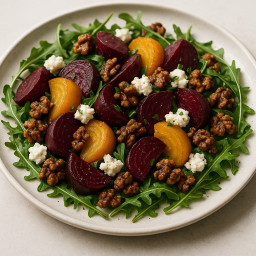
6. Top the greens with roasted beet slices, scatter crumbled goat cheese and candied walnuts over the top, and drizzle any remaining vinaigrette over the beets and cheese.
7. Finish with chopped parsley or chives and a light sprinkle of flaky sea salt if desired. Serve immediately alongside herb-crusted pork chops or room temperature.

- 1 lb (450 g) Brussels sprouts, trimmed and halved
- 6 slices (about 6 oz/170 g) bacon, cut into 1/2-inch (1 cm) pieces
- 1 tbsp (15 ml) olive oil
- 1 small shallot, minced (about 2 tbsp/30 g)
- 2 cloves garlic, minced
- 1/4 cup (60 ml) balsamic vinegar
- 1 tbsp (12 g) packed brown sugar
- 1 tbsp (15 g) unsalted butter
- 1/2 tsp (2.5 g) kosher salt, or to taste
- 1/4 tsp (1 g) freshly ground black pepper
- 1/8 tsp (0.5 g) red pepper flakes (optional)
- 2 tbsp (8 g) chopped fresh parsley, for garnish
1. Preheat the oven to 400°F (200°C). If using a non-ovenproof skillet, have a rimmed baking sheet ready.
2. In a large ovenproof skillet over medium heat, cook the bacon until crisp, about 6–8 minutes. Transfer bacon to a paper towel–lined plate, leaving the rendered fat in the skillet.
3. While the bacon cooks, trim stems from the Brussels sprouts and halve them lengthwise.
4. Add the olive oil to the skillet with the bacon fat if needed, then arrange the Brussels sprouts cut-side down. Season with 1/2 tsp salt and 1/4 tsp pepper. Cook undisturbed over medium-high heat until the cut sides are golden brown, about 4–6 minutes.
5. Stir the sprouts, add the minced shallot and garlic, and cook 1 minute until fragrant. Transfer the skillet to the oven (or spread sprouts on the prepared baking sheet) and roast 8–10 minutes until tender and edges are crisp.
6. While the sprouts roast, make the glaze: combine the balsamic vinegar and brown sugar in a small saucepan over medium heat. Bring to a simmer and cook until reduced and slightly syrupy, about 3–5 minutes. Remove from heat and stir in the butter until melted and glossy.
7. Remove the skillet from the oven, return the crispy bacon to the pan, and pour the balsamic glaze over the sprouts. Toss gently to coat. Taste and adjust seasoning with additional salt or pepper if needed; add red pepper flakes if using.
8. Transfer to a serving dish, sprinkle with chopped parsley, and serve warm alongside the herb-crusted pork chops.
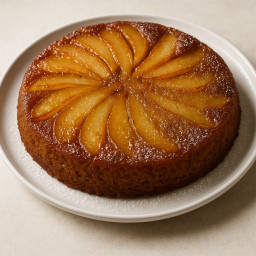
- 3 medium pears (about 450 g), peeled, cored, and sliced 1/4 inch (6 mm) thick
- 1/2 cup (100 g) packed light brown sugar
- 4 tbsp (60 g) unsalted butter
- 1 tbsp (6 g) freshly grated ginger, divided
- 1 tsp (5 ml) lemon juice
- 1 1/4 cups (150 g) all-purpose flour
- 1 1/2 tsp (6 g) baking powder
- 1/4 tsp (1 g) salt
- 1/2 cup (113 g) unsalted butter, softened
- 3/4 cup (150 g) granulated sugar
- 2 large eggs
- 1/2 cup (120 ml) milk
- 1 tsp (5 ml) vanilla extract
- 1/4 tsp (0.5 g) ground cinnamon
- Powdered sugar for dusting (optional)
1. Preheat oven to 350°F (175°C). Grease a 9-inch (23 cm) round cake pan and line the bottom with parchment paper.
2. Make the topping: in a small saucepan over medium heat, melt 4 tbsp (60 g) butter with 1/2 cup (100 g) brown sugar and 1 tbsp (6 g) grated ginger, stirring until sugar dissolves and mixture is smooth, about 2–3 minutes. Stir in 1 tsp (5 ml) lemon juice, then pour the caramel evenly into the prepared pan and spread to cover.
3. Arrange the pear slices in a single decorative layer over the caramel, overlapping slightly. Set the pan aside.
4. Whisk dry ingredients: in a bowl, sift or whisk together 1 1/4 cups (150 g) flour, 1 1/2 tsp (6 g) baking powder, 1/4 tsp (1 g) salt, and 1/4 tsp (0.5 g) ground cinnamon.
5. Cream butter and sugar: in a separate large bowl, beat 1/2 cup (113 g) softened butter with 3/4 cup (150 g) granulated sugar until light and fluffy, about 2–3 minutes. Add eggs one at a time, beating well after each addition. Mix in 1 tsp (5 ml) vanilla extract and the remaining 1 tbsp (6 g) grated ginger.
6. Combine batter: with mixer on low, add dry ingredients in three additions alternately with 1/2 cup (120 ml) milk, beginning and ending with the dry ingredients; mix just until combined.
7. Spread the batter evenly over the pear layer in the pan, smoothing the top with a spatula.
8. Bake for 35–45 minutes, or until a toothpick inserted into the center of the cake comes out clean and the top is golden. If the pears begin to darken too quickly, tent loosely with foil.
9. Cool for 10 minutes on a wire rack. Carefully run a knife around the pan edge to loosen, then invert the cake onto the rack or serving plate. Remove parchment and let cool at least 15 minutes before serving so the caramel sets slightly.
10. Serve warm or at room temperature, dusted with powdered sugar if desired. Leftovers can be stored covered at room temperature for up to 2 days or refrigerated for up to 4 days.

- 3 lb (1.4 kg) St. Louis–cut spare ribs (about 2 racks)
- 2 tbsp (30 ml) vegetable oil
- 1/4 cup (50 g) brown sugar, packed
- 1/4 cup (30 g) smoked paprika
- 2 tbsp (30 g) kosher salt
- 1 tbsp (15 g) black pepper, freshly ground
- 1 tbsp (15 g) garlic powder
- 1 tbsp (15 g) onion powder
- 1 tsp (5 g) cayenne pepper
- 1 tsp (5 g) ground cumin
- 1 cup (240 ml) apple cider vinegar
- Wood chips for smoking (hickory or apple)
- 1 cup (240 ml) ketchup
- 1/4 cup (60 ml) apple cider vinegar
- 1/4 cup (85 g) molasses
- 2 tbsp (30 g) brown sugar
- 1 tbsp (15 ml) Worcestershire sauce
- 1 tsp (5 ml) hot sauce
1. Remove the membrane from the bone side of the ribs and pat the ribs dry; rub vegetable oil over the racks. Mix brown sugar, smoked paprika, salt, pepper, garlic powder, onion powder, cayenne, and cumin; coat ribs evenly with the dry rub. Let rest refrigerated 1 hour or up to overnight.
2. Preheat smoker to 225°F (107°C) with hickory or apple wood chips. Place ribs bone-side down and smoke 3 hours, spritzing occasionally with apple cider vinegar.
3. After 3 hours, wrap ribs tightly in foil and return to smoker for 1.5 hours.
4. While ribs are wrapping, combine ketchup, apple cider vinegar, molasses, brown sugar, Worcestershire, and hot sauce in a saucepan; simmer 10 minutes to meld and thicken, then remove from heat.
5. Unwrap ribs and brush both sides with sauce; place back on smoker (or hot grill) for 30 minutes to set the glaze and develop bark. Rest 10 minutes, slice between bones, and serve.

- 3 lb (1.4 kg) St. Louis–cut spare ribs (about 2 racks)
- 2 tbsp (30 ml) vegetable oil
- 1/4 cup (50 g) brown sugar, packed
- 2 tbsp (30 g) paprika
- 1 tbsp (15 g) kosher salt
- 1 tbsp (15 g) black pepper
- 1 tbsp (15 g) garlic powder
- 1 tbsp (15 g) onion powder
- 1 tsp (5 g) chili powder
- 1 cup (240 ml) ketchup
- 1/4 cup (60 ml) apple cider vinegar
- 1/4 cup (85 g) molasses
- 2 tbsp (30 g) brown sugar
- 1 tbsp (15 ml) Worcestershire sauce
- 1 tsp (5 ml) mustard (yellow or Dijon)
- 1/2 cup (120 ml) water
1. Preheat oven to 275°F (135°C). Remove membrane from ribs and pat dry; rub lightly with vegetable oil. Mix brown sugar, paprika, salt, pepper, garlic powder, onion powder, and chili powder; coat ribs evenly.
2. Place ribs meat-side up on a foil-lined baking sheet; cover tightly with foil and bake 2.5 to 3 hours until meat is very tender.
3. Meanwhile, make the Kansas City–style sauce by combining ketchup, apple cider vinegar, molasses, brown sugar, Worcestershire, mustard, and water in a saucepan; simmer 10–15 minutes until slightly thickened.
4. Remove ribs from oven, discard top foil, brush with sauce, and broil 3–5 minutes until sauce caramelizes (watch closely). Let rest 10 minutes, cut between bones, and serve.

- 3 lb (1.4 kg) St. Louis–cut spare ribs (about 2 racks)
- 2 tbsp (30 ml) vegetable oil
- 1 tsp (5 g) kosher salt
- 1 tsp (5 g) black pepper
- 1 large onion, sliced
- 2 carrots, cut into chunks
- 2 stalks celery, cut into chunks
- 4 cloves garlic, smashed
- 1/4 cup (60 ml) tomato paste
- 12 oz (355 ml) amber beer
- 1 cup (240 ml) beef or chicken stock
- 2 tbsp (30 g) brown sugar
- 2 bay leaves
- 2 sprigs fresh thyme
- 2 tbsp (30 ml) apple cider vinegar
- 1/4 cup (60 ml) barbecue sauce (optional, for glazing)
1. Preheat oven to 325°F (163°C). Season ribs with salt and pepper. Heat oil in a large Dutch oven over medium-high heat and brown ribs on all sides; remove and set aside.
2. Add onion, carrots, celery, and garlic to the pot and sauté until softened, 5–7 minutes. Stir in tomato paste and brown sugar and cook 2 minutes.
3. Return ribs to pot, add beer and stock to partially cover the ribs, add bay leaves and thyme, and bring to a simmer. Cover and transfer to oven; braise 2 to 2.5 hours until ribs are very tender.
4. Remove ribs from braising liquid and skim fat from the sauce; reduce sauce on stovetop to thicken if desired, stir in apple cider vinegar and barbecue sauce for glaze. Brush glaze on ribs and broil 3–5 minutes to caramelize. Rest 10 minutes, slice, and serve.
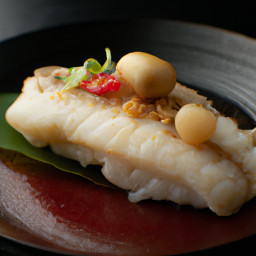
- 3 lb (1.4 kg) St. Louis–cut spare ribs (about 2 racks)
- 2 tbsp (30 ml) yellow mustard (as binder)
- 1/4 cup (50 g) brown sugar, packed
- 1/4 cup (30 g) paprika
- 2 tbsp (30 g) kosher salt
- 1 tbsp (15 g) black pepper, coarsely ground
- 1 tbsp (15 g) garlic powder
- 1 tbsp (15 g) onion powder
- 1 tsp (5 g) cayenne pepper
- 1 tsp (5 g) dry mustard powder
- Hickory or oak wood for smoking
1. Remove membrane from ribs and pat dry. Spread a thin layer of yellow mustard over both racks to help the rub adhere. Combine brown sugar, paprika, salt, black pepper, garlic powder, onion powder, cayenne, and dry mustard; rub generously over ribs.
2. Preheat smoker to 225°F (107°C) using hickory or oak wood. Place ribs bone-side down and smoke 4–5 hours, spritzing with apple juice or apple cider vinegar every hour after the first hour to maintain moisture.
3. Check for tenderness; ribs are done when a probe slides in with little resistance or meat pulls back from the bone ends about 1/4 inch. Rest 10 minutes, slice between bones, and serve without sauce to enjoy the dry-rub flavor.
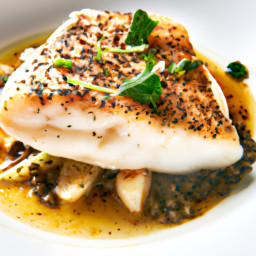
- 1 sheet (17.3 oz / 490 g) frozen puff pastry, thawed
- 8 oz (225 g) mixed wild mushrooms, trimmed and coarsely chopped
- 2 tbsp (28 g) unsalted butter
- 1 tbsp (15 ml) olive oil
- 1 small shallot, finely chopped
- 1 clove garlic, minced
- 1 tbsp (15 ml; about 3 g) fresh thyme leaves, chopped
- 1/4 cup (60 ml) heavy cream
- 1/2 cup (50 g) grated Gruyère or Comté cheese
- 1 tsp (5 ml) Dijon mustard
- 1 egg, beaten (for egg wash)
- 2 tbsp (30 ml) chopped fresh parsley
- Salt and freshly ground black pepper
1. Preheat oven to 400°F (200°C). Lightly grease a 12-cup muffin tin or 12 small tartlet pans. On a lightly floured surface, roll the thawed puff pastry to about 1/8-inch (3 mm) thickness and cut twelve 3-inch (7.5 cm) rounds; reserve scraps for small decorations if desired.
2. Gently press each round into the prepared muffin tin or tartlet pans, forming a shallow shell. Chill the shells in the refrigerator while you make the filling (about 10 minutes) to help prevent shrinkage.
3. In a skillet over medium heat, warm the butter and olive oil. Add the shallot and sauté until translucent, about 2 minutes. Add the garlic and cook 30 seconds until fragrant.
4. Increase heat to medium-high, add the chopped wild mushrooms and thyme, and sauté until the mushrooms release their liquid and it evaporates, and the mushrooms begin to brown, about 6–8 minutes. Season with salt and pepper.
5. Stir in the Dijon mustard and heavy cream, reduce heat to medium, and simmer until the mixture thickens slightly, about 2 minutes. Remove from heat and fold in the grated cheese and chopped parsley; adjust seasoning.
6. Spoon the mushroom mixture into the chilled pastry shells, filling each nearly to the top but leaving a small border. Brush the exposed pastry edges with the beaten egg.
7. Bake in the preheated oven until the pastry is golden and the filling is set, 18–22 minutes. If you used larger pans, baking time may be a few minutes longer.
8. Let the tartlets cool in the pan for 5 minutes, then transfer to a wire rack. Serve warm or at room temperature, garnished with a few extra thyme leaves or a small parsley sprig.
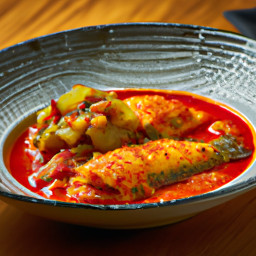
- 1 lb (450 g) cleaned calamari tubes, sliced into 1/2-inch (1.25 cm) rings
- 1 cup (120 g) all-purpose flour
- 1/2 cup (60 g) semolina (semola di grano duro)
- 1 tsp (5 g) salt, plus more to taste
- 1/2 tsp (1.5 g) freshly ground black pepper
- 1/4 tsp (1 g) cayenne pepper (optional)
- 2 large eggs
- 1/4 cup (60 ml) milk
- About 4 cups (960 ml) vegetable oil for frying (or enough for 2 inches / 5 cm in a deep skillet)
- Lemon wedges, for serving
- 2 tbsp (8 g) chopped fresh flat-leaf parsley, for garnish
- 2 tbsp (30 ml) extra-virgin olive oil
- 1 small onion, finely chopped
- 2 cloves garlic, minced
- 1 (14 oz) can (400 g) crushed tomatoes
- 1 tsp (5 g) dried oregano
- 1/2 tsp (3 g) salt (for sauce)
- 1/4 tsp (0.5 g) black pepper (for sauce)
- 2 tbsp (8 g) chopped fresh basil (or 1 tsp dried basil)
- 1/2 tsp (2 g) sugar (optional, to balance acidity)
1. Make the marinara: Heat 2 tbsp (30 ml) olive oil in a small saucepan over medium heat. Add the chopped onion and cook until soft and translucent, about 5 minutes.
2. Add the minced garlic and cook 30–60 seconds until fragrant. Stir in the crushed tomatoes, 1 tsp (5 g) dried oregano, 1/2 tsp (3 g) salt, 1/4 tsp (0.5 g) pepper, and 1/2 tsp (2 g) sugar if using.
3. Bring to a gentle simmer, reduce heat to low, and cook uncovered for 12–15 minutes until slightly thickened. Stir in 2 tbsp (8 g) chopped fresh basil, taste and adjust seasoning, then keep warm on the lowest heat.
4. Prepare the calamari: Rinse the sliced rings and pat very dry with paper towels — excess moisture prevents a crisp crust.
5. In a shallow bowl whisk the 2 large eggs with 1/4 cup (60 ml) milk. In a separate shallow dish combine 1 cup (120 g) all-purpose flour, 1/2 cup (60 g) semolina, 1 tsp (5 g) salt, 1/2 tsp (1.5 g) black pepper, and 1/4 tsp (1 g) cayenne if using.
6. Working in batches, dip the dried calamari rings first into the egg wash, letting excess drip off, then dredge thoroughly in the flour–semolina mixture, pressing lightly so the coating adheres. Shake off excess.
7. Heat oil in a heavy skillet or Dutch oven to 350°F (175°C). If you don't have a thermometer, test by dropping a small pinch of coating into the oil — it should sizzle and rise to the surface.
8. Fry the calamari in batches, taking care not to overcrowd, until golden and crisp, about 1 to 1 1/2 minutes per batch. Do not overcook; squid turns rubbery if cooked too long.
9. Using a slotted spoon, transfer fried calamari to a paper-towel-lined tray and season immediately with a light sprinkle of salt. Keep warm in a low oven (200°F / 95°C) if needed while frying remaining batches.
10. To serve, arrange calamari on a platter, sprinkle with 2 tbsp (8 g) chopped fresh parsley, add lemon wedges, and serve with the warm marinara in a small bowl for dipping.