Entrée: Canada – Maple-Glazed Salmon from the Pacific Northwest, Canada
Food safety reminder: Follow safe food-handling practices and use a food thermometer to verify safe internal cooking temperatures.
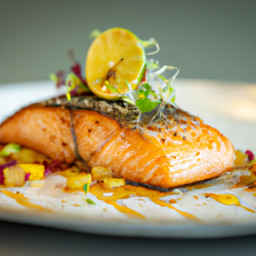
Ingredients
U.S. measurements first, metric equivalents in parentheses. Conversions are approximate; oz means weight ounces, not fluid ounces.
4 salmon fillets (5–6 oz (140–170 g) each), skin-on preferred
1 / 3 cup (80 ml) pure maple syrup
2 tbsp (30 ml) low-sodium soy sauce or tamari
1 tbsp (15 ml) Dijon mustard
1 tbsp (15 ml) fresh lemon juice
2 cloves garlic, finely minced
1 tsp (5 ml) freshly grated ginger (optional)
1 / 4 tsp (1.25 ml) red pepper flakes (optional, for heat)
1 tbsp (15 ml) olive oil (for pan)
1 / 2 tsp (2.5 ml) kosher salt, plus more to taste
1 / 4 tsp (1.25 ml) freshly ground black pepper
1 tbsp (15 ml) chopped fresh parsley or chives, for garnish
Lemon wedges, for serving
Show original ingredient measurements
4 salmon fillets (5–6 oz / 140–170 g each), skin-on preferred
1 / 3 cup (80 ml) pure maple syrup
2 tbsp low-sodium soy sauce or tamari
1 tbsp Dijon mustard
1 tbsp fresh lemon juice
2 cloves garlic, finely minced
1 tsp freshly grated ginger (optional)
1 / 4 tsp red pepper flakes (optional, for heat)
1 tbsp olive oil (for pan)
1 / 2 tsp kosher salt, plus more to taste
1 / 4 tsp freshly ground black pepper
1 tbsp chopped fresh parsley or chives, for garnish
Lemon wedges, for serving
Instructions
U.S. measurements first, metric equivalents in parentheses. Conversions are approximate.
Preheat oven to 400°F (200°C). Line a rimmed baking sheet with foil or parchment and lightly oil it, or use an oven-safe skillet.
Make the glaze: In a bowl, whisk together the maple syrup, soy sauce, Dijon, lemon juice, garlic, ginger (if using), and red pepper flakes. Transfer 2 tablespoons (30 ml) of this glaze to a small saucepan and set aside for finishing; do not let it touch raw fish.
Pat the salmon dry with paper towels. Season both sides lightly with the kosher salt and black pepper.
Place the salmon skin-side down on the prepared sheet or skillet. Brush the tops evenly with the remaining (non-reserved) glaze.
Bake for 8–10 minutes, depending on thickness.
While the salmon bakes, bring the reserved 2 tablespoons (30 ml) of glaze to a gentle simmer over medium heat and cook 1–2 minutes until slightly thickened and syrupy; remove from heat.
Optional for extra caramelization: Switch the oven to broil and broil the salmon for 1–2 minutes, watching closely to prevent burning.
Cook until the thickest part of the fillets reaches 125–130°F (52–54°C) for medium and flakes easily with a fork.
Brush the hot salmon with the reduced finishing glaze and let rest 3 minutes.
Garnish with chopped parsley or chives and serve with lemon wedges. Pair with steamed rice, roasted vegetables, or a crisp salad.
Show original instructions
Preheat oven to 400°F (200°C). Line a rimmed baking sheet with foil or parchment and lightly oil it, or use an oven-safe skillet.
Make the glaze: In a bowl, whisk together the maple syrup, soy sauce, Dijon, lemon juice, garlic, ginger (if using), and red pepper flakes. Transfer 2 tablespoons of this glaze to a small saucepan and set aside for finishing; do not let it touch raw fish.
Pat the salmon dry with paper towels. Season both sides lightly with the kosher salt and black pepper.
Place the salmon skin-side down on the prepared sheet or skillet. Brush the tops evenly with the remaining (non-reserved) glaze.
Bake for 8–10 minutes, depending on thickness.
While the salmon bakes, bring the reserved 2 tablespoons of glaze to a gentle simmer over medium heat and cook 1–2 minutes until slightly thickened and syrupy; remove from heat.
Optional for extra caramelization: Switch the oven to broil and broil the salmon for 1–2 minutes, watching closely to prevent burning.
Cook until the thickest part of the fillets reaches 125–130°F (52–54°C) for medium and flakes easily with a fork.
Brush the hot salmon with the reduced finishing glaze and let rest 3 minutes.
Garnish with chopped parsley or chives and serve with lemon wedges. Pair with steamed rice, roasted vegetables, or a crisp salad.
Per serving | Servings: 4
Generated: 2026-11-05T19:33:55+00:00
*Values are estimates based on USDA data and mathematical calculations. Actual values may vary. Where data are unavailable, those contributions are excluded. Calories, Carbohydrates, Protein, Fat, Saturated fat, Cholesterol, Fiber, Sugar, Sodium, Potassium, Calcium, Iron, Vitamin A, Vitamin C and Vitamin D are known subtotals. Missing contributions are unknown, not zero.